|
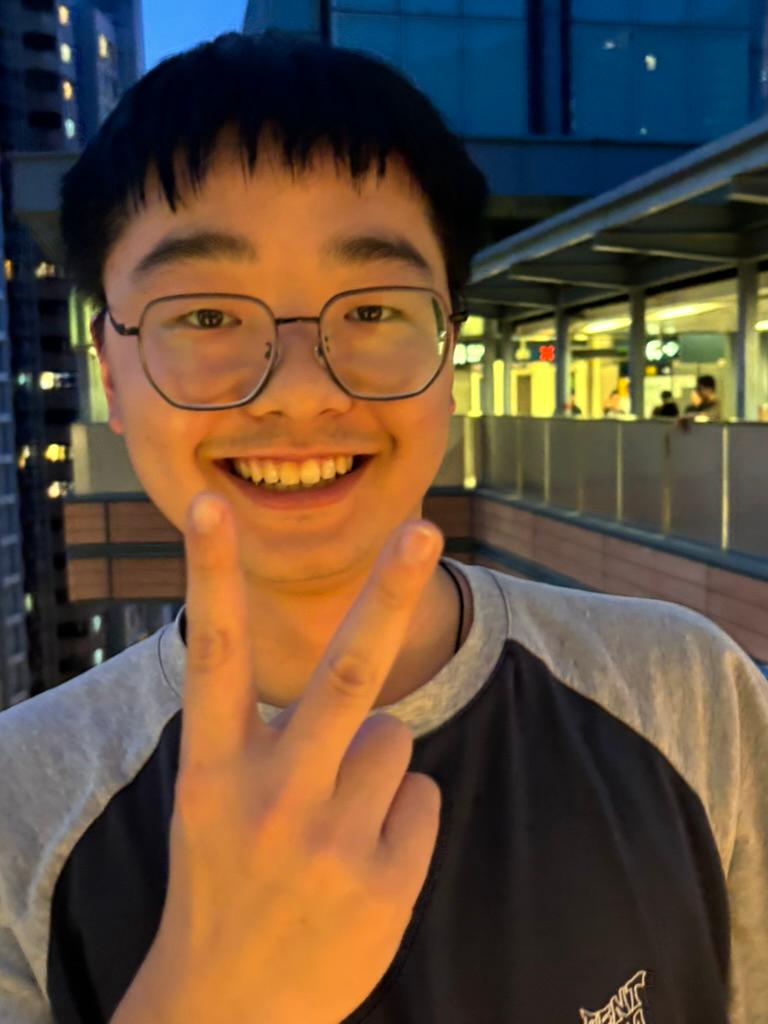
Luca Yu Hey! I am Luca Jiang-Tao Yu, a PhD candidate at CDS, The University of Hong Kong in Hong Kong, advised by Prof. Chenshu Wu. Previously, I was a research assistant at IIIS, Tsinghua University and Shanghai Qi Zhi Institute in Shanghai and Beijing, China, advised by Prof. Hang Zhao. Before that, I was a research intern at Beijing University of Posts and Telecommunications in Beijing, China, advised by Prof. Anfu Zhou. My research interests span AI agents verifier/collabration, wearable/wireless sensing, and human-computer interaction. I am open to collaboration and happy to discuss. If you're interested in my research, feel free to contact me. Email / CV / LinkedIn / Scholar / GitHub / 𝕏 |
|
Publications* indicates co-author |
|
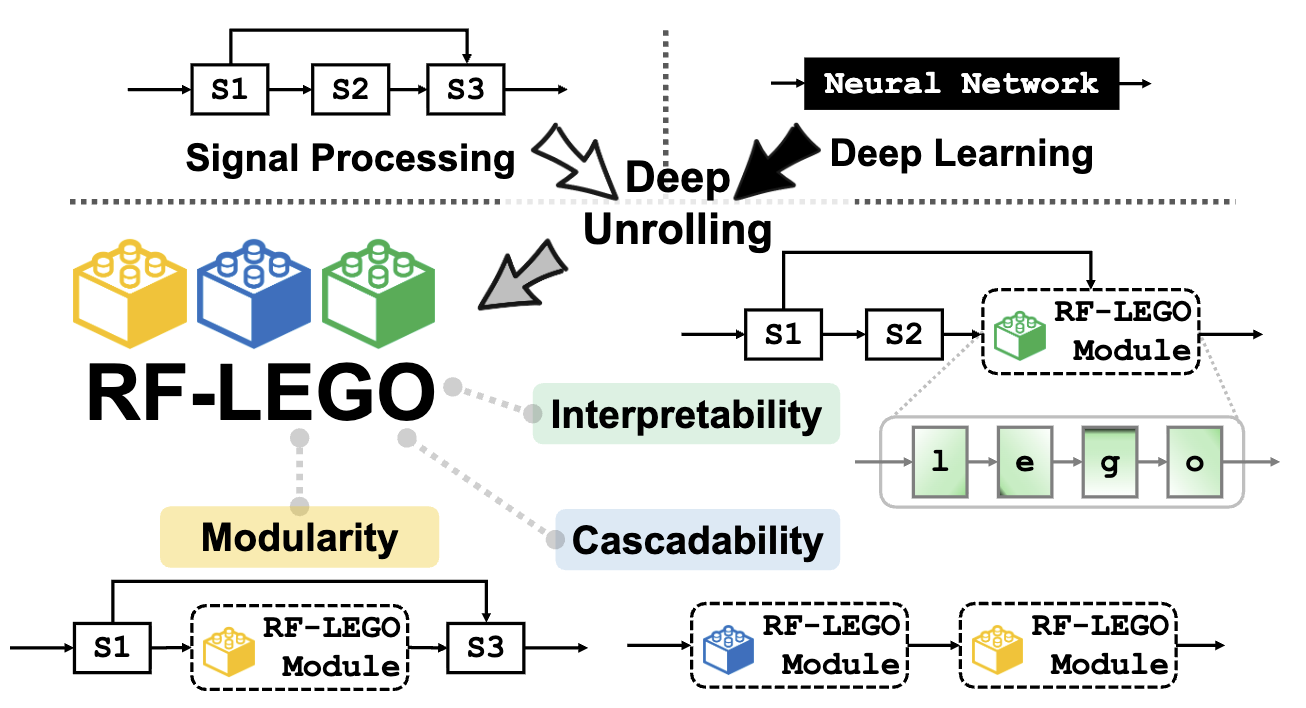
RF-LEGO: Modularized Signal Processing-Deep Learning Co-Design for RF Sensing via Deep Unrolling
Luca Jiang-Tao Yu, Chenshu Wu MobiCom, 2026, Austin, TX, USA 🇺🇸 code |

|
"Take Me Home, Wi-Fi Drone": A Drone-based Wireless System for Wilderness Search and Rescue
Weiying Hou, Luca Jiang-Tao Yu, Chenshu Wu MobiCom, 2026, Austin, TX, USA 🇺🇸 project / code / demo / media |
|
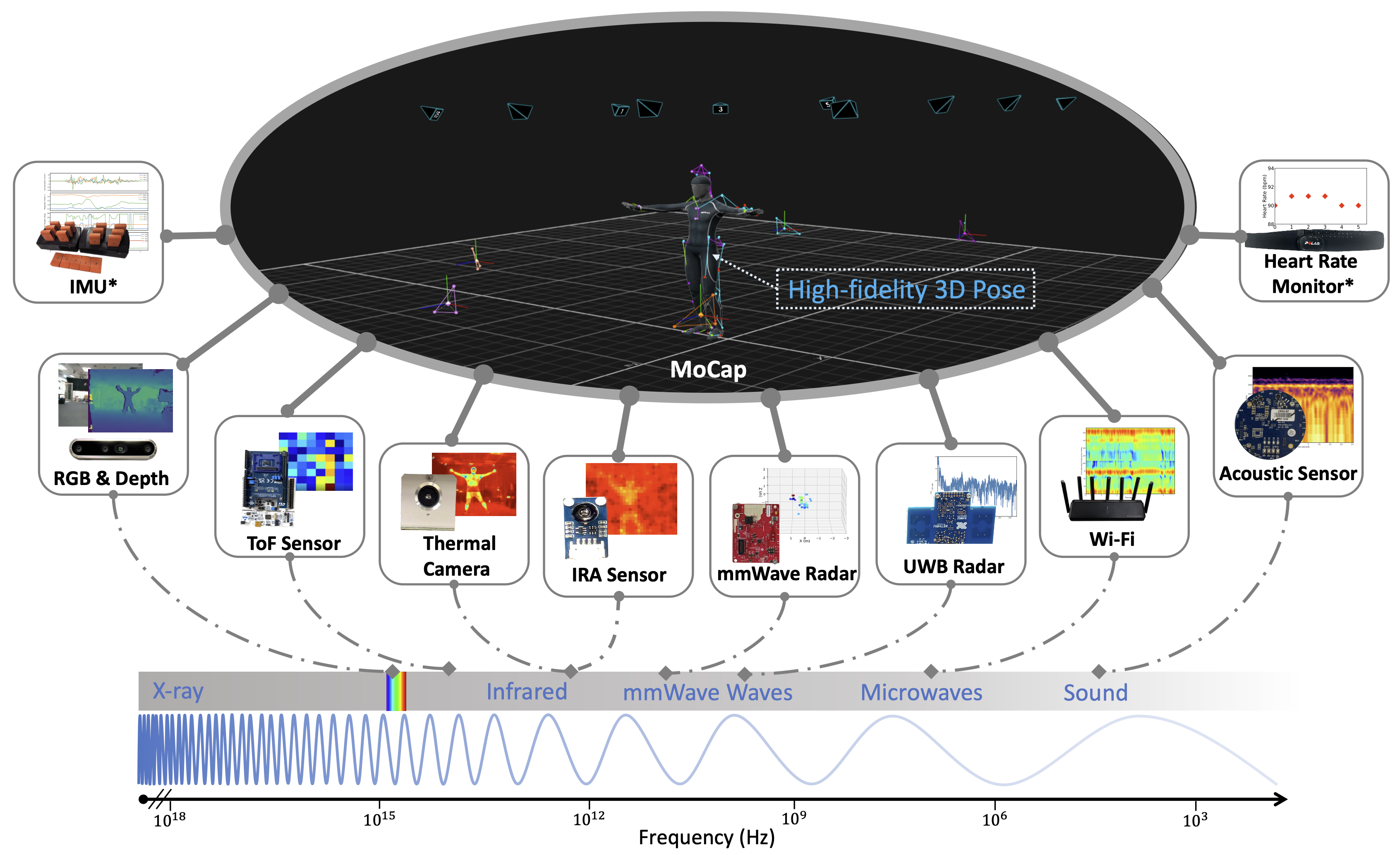
OctoNet: A Large-Scale Multi-Modal Dataset for Human Activity Understanding Grounded in Motion-Captured 3D Pose Labels
Dongsheng Yuan, Xie Zhang, Weiying Hou, Sheng Lyu, Yuemin Yu, Luca Jiang-Tao Yu, Chengxiao Li, Chenshu Wu NeurIPS, 2025, San Diego, CA, USA 🇺🇸 preprint / dataset / project / code |
|
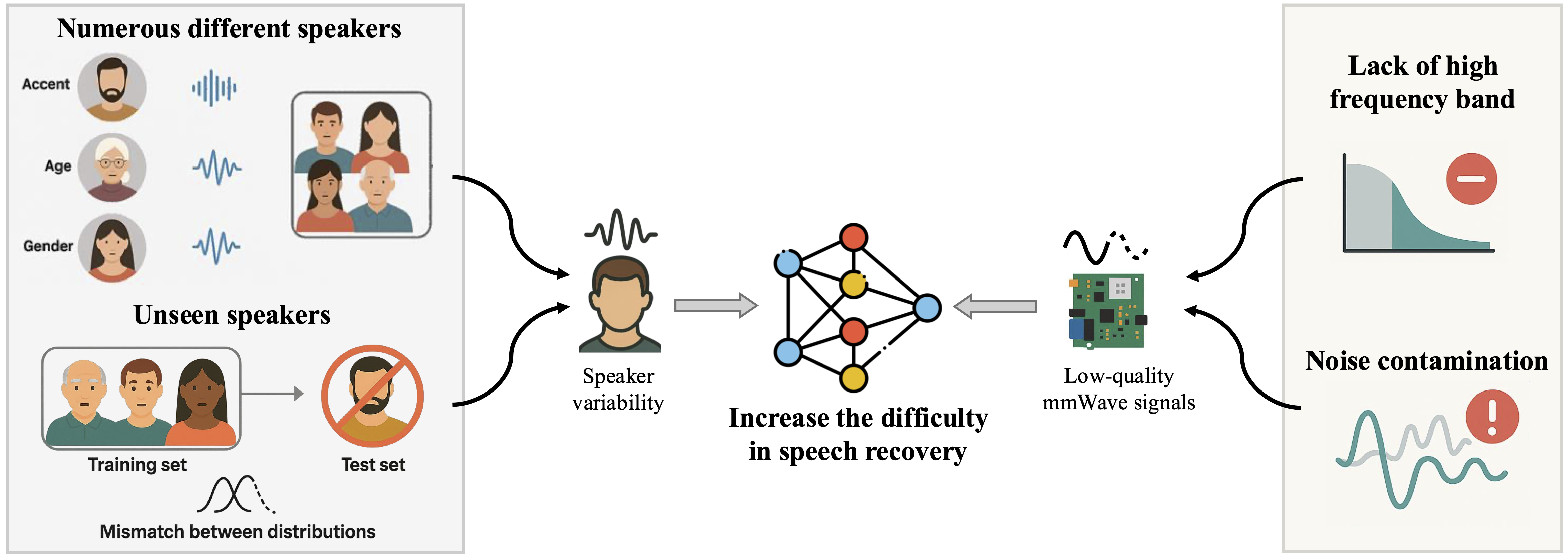
SPACE: Speaker Adaptation for Acoustic Eavesdropping using mmWave Radar
Running Zhao, Luca Jiang-Tao Yu, Tingle Li, Zhihan Jiang, Chenwei Zhang, Chenshu Wu, Hang Zhao, Edith C.H. Ngai IEEE Transactions on Mobile Computing paper |
|
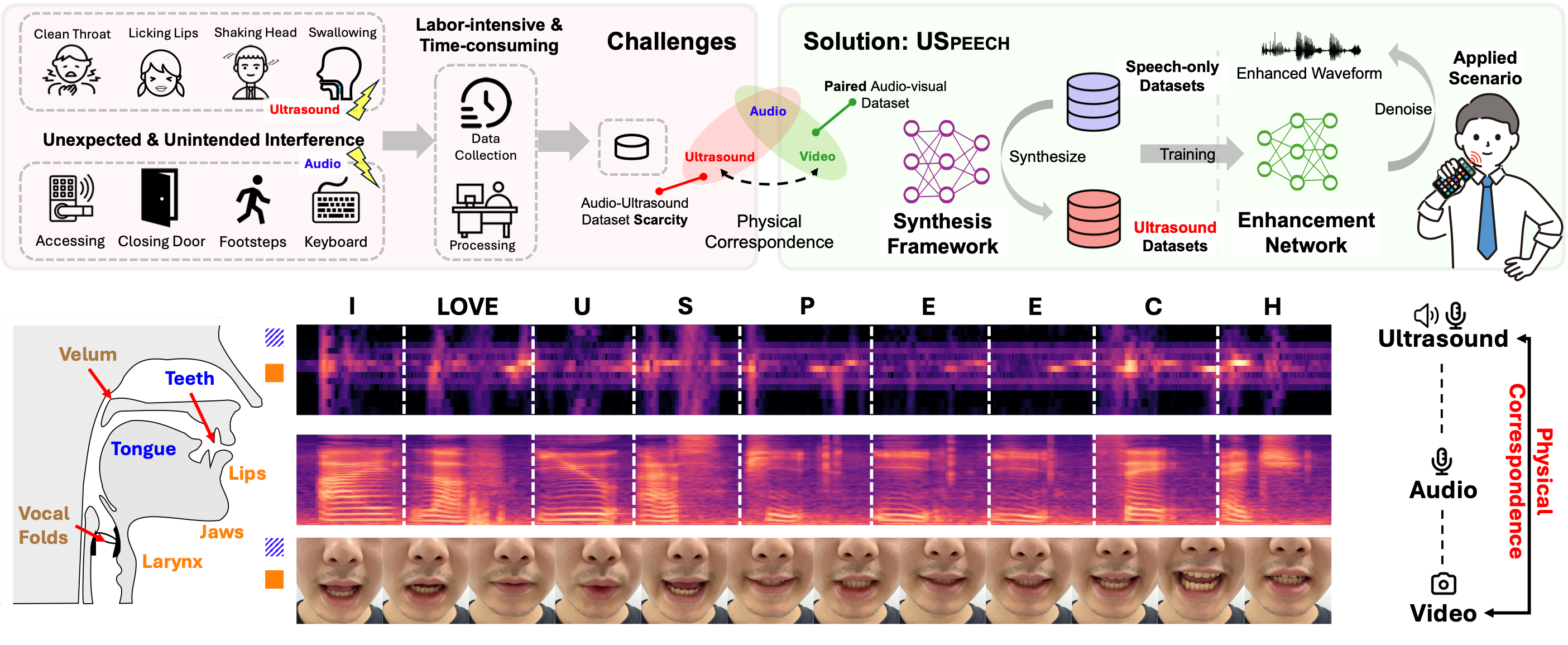
USpeech: Ultrasound-Enhanced Speech with Minimal Human Effort via Cross-Modal Synthesis
Luca Jiang-Tao Yu*, Running Zhao*, Sijie Ji, Edith C.H. Ngai, Chenshu Wu UbiComp, 2025, Espoo, Finland 🇫🇮 paper / preprint / code / project / media |
|
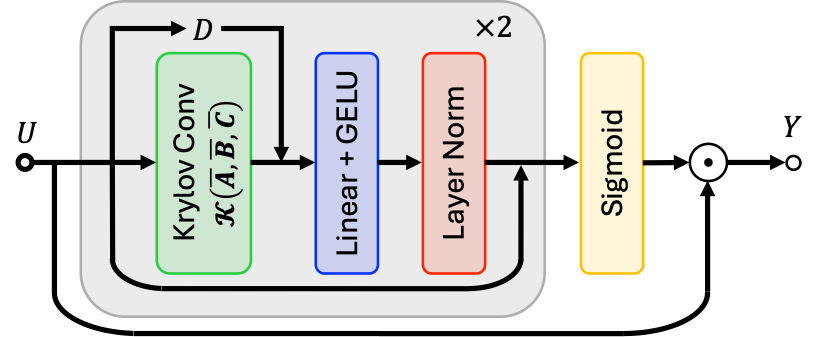
NeuroDet: Unfolding Target Detection with State Space Model
Luca Jiang-Tao Yu, Chenshu Wu Pre-print preprint / code |
|
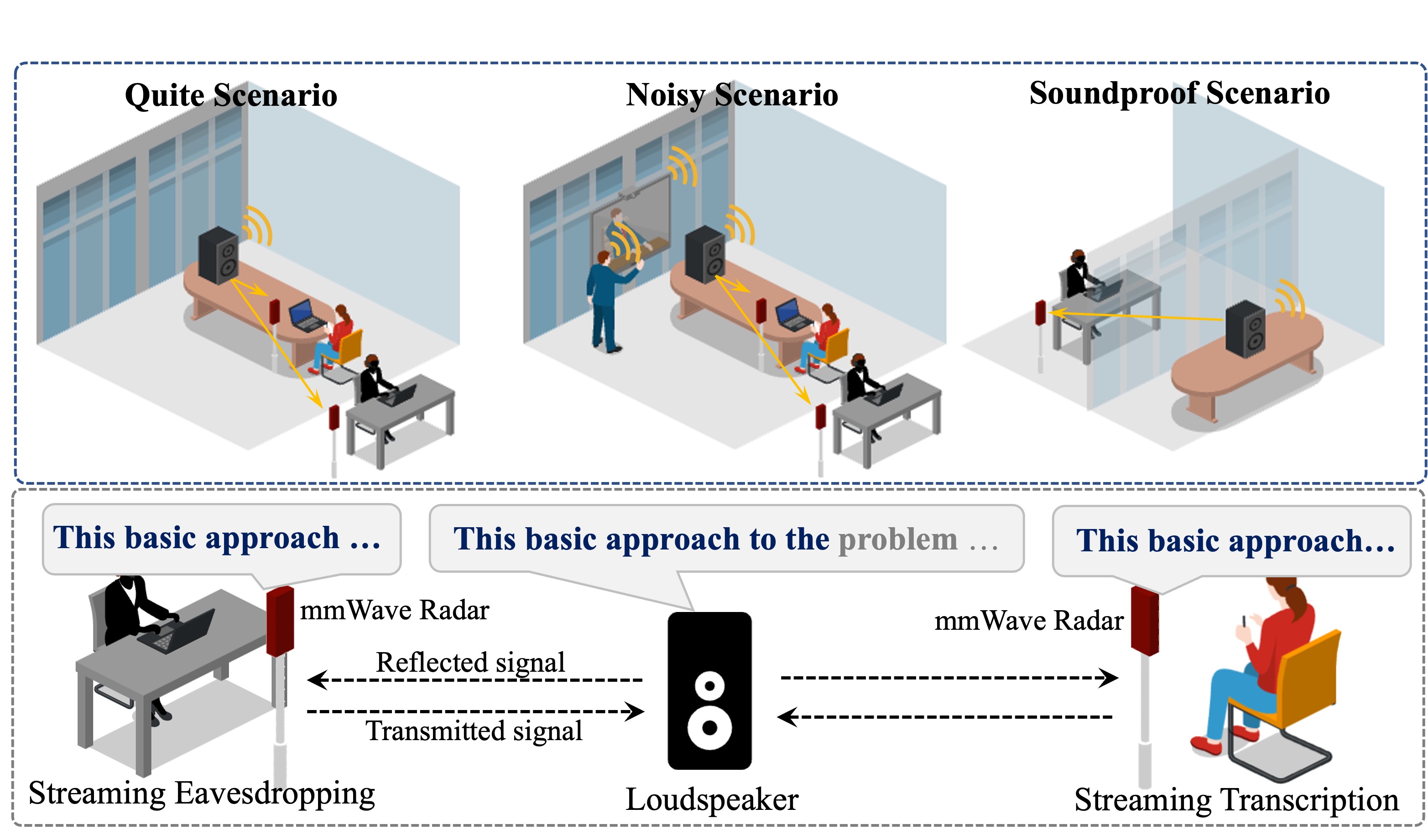
Radio2Text: Streaming Speech Recognition using mmWave Radio Signals
Running Zhao*, Luca Jiang-Tao Yu*, Hang Zhao, Edith C.H. Ngai UbiComp, 2023, Cancún, Mexico 🇲🇽 paper / preprint / media / medib |
|
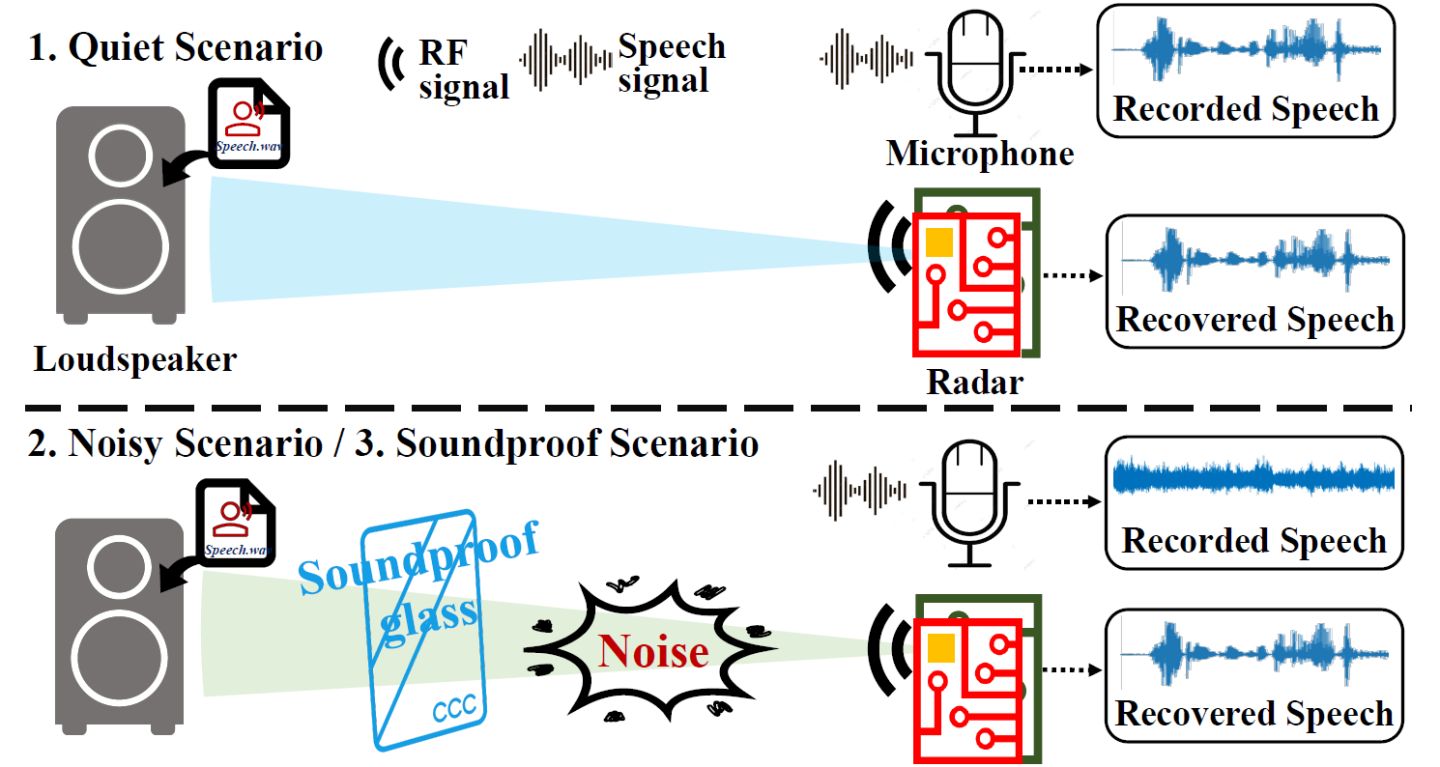
Radio2Speech: High Quality Speech Recovery from Radio Frequency Signals
Running Zhao, Luca Jiang-Tao Yu, Tingle Li, Hang Zhao, Edith C.H. Ngai Interspeech, 2022, Incheon, South Korea 🇰🇷 paper / preprint / code / project / media / zhihu |
News |
| Jan. 2026 | Two papers were accepted by MobiCom 2026. |
| Oct. 2025 | PhD candidature is confirmed. |
| Sep. 2025 | Honored to renew as a recipient of the IEEE 2025 Signal Processing Society Scholarship. |
| Sep. 2025 | One dataset paper was accepted by NeurIPS 2025. |
| Aug. 2025 | Honored to have been invited to serve as a PC member for ICPADS 2025. |
| Apr. 2025 | One paper was accepted by IEEE Transactions on Mobile Computing! |
| Apr. 2025 | One paper was accepted by UbiComp 2025. |
|
Awards |
| Sep. 2025 | IEEE 2025 Signal Processing Society Scholarship (Renewal) |
| Oct. 2024 | IEEE 2024 Signal Processing Society Scholarship |
| Sep. 2022 | HKU Postgraduate Scholarship |
| Dec. 2021 | National Scholarship (Rank: 7/902, 0.7%) |
| Dec. 2021 | China Mobile Outstanding Student Scholarship (Rank: 2/192, 1%) |
Academic Service / Teaching |
| Reviewer | UbiComp '24 Nov, UbiComp '25 Feb, UbiComp '25 May, TIOT, JSAS, CHI '26 |
| AE Reviewer | MobiSys '23, ATC '23, OSDI '23 |
| PC Member | ICPADS '24, ICPADS '25 |
| TA |
COMP1117 (Computer Programming, '23 Fall) COMP7310 (Artificial Intelligence of Things, '25 Spring) COMP3230 (Principles of Operating Systems, '25 Fall) |
Affiliations |

CDS, HKU |

Shanghai Qi Zhi Institute |

IIIS, THU |

SICE, BUPT |
|
|
|
Visitor from:
|