







RF-LEGO: Modularized Signal Processing–Deep Learning Co-Design for RF Sensing via Deep Unrolling
Motivation & Design Principles
Classical signal processing
Explicit operators.
Meaningful interfaces.
- Inspectable frequency and angle spectra.
- Blocks cascade into many sensing pipelines.
- Handcrafted parameters require manual tuning.
Task-specific deep learning
Learned adaptation.
Entangled representations.
- Adapts to complex measurements.
- Often optimized end to end for one task.
- Internal features can be hard to reuse.
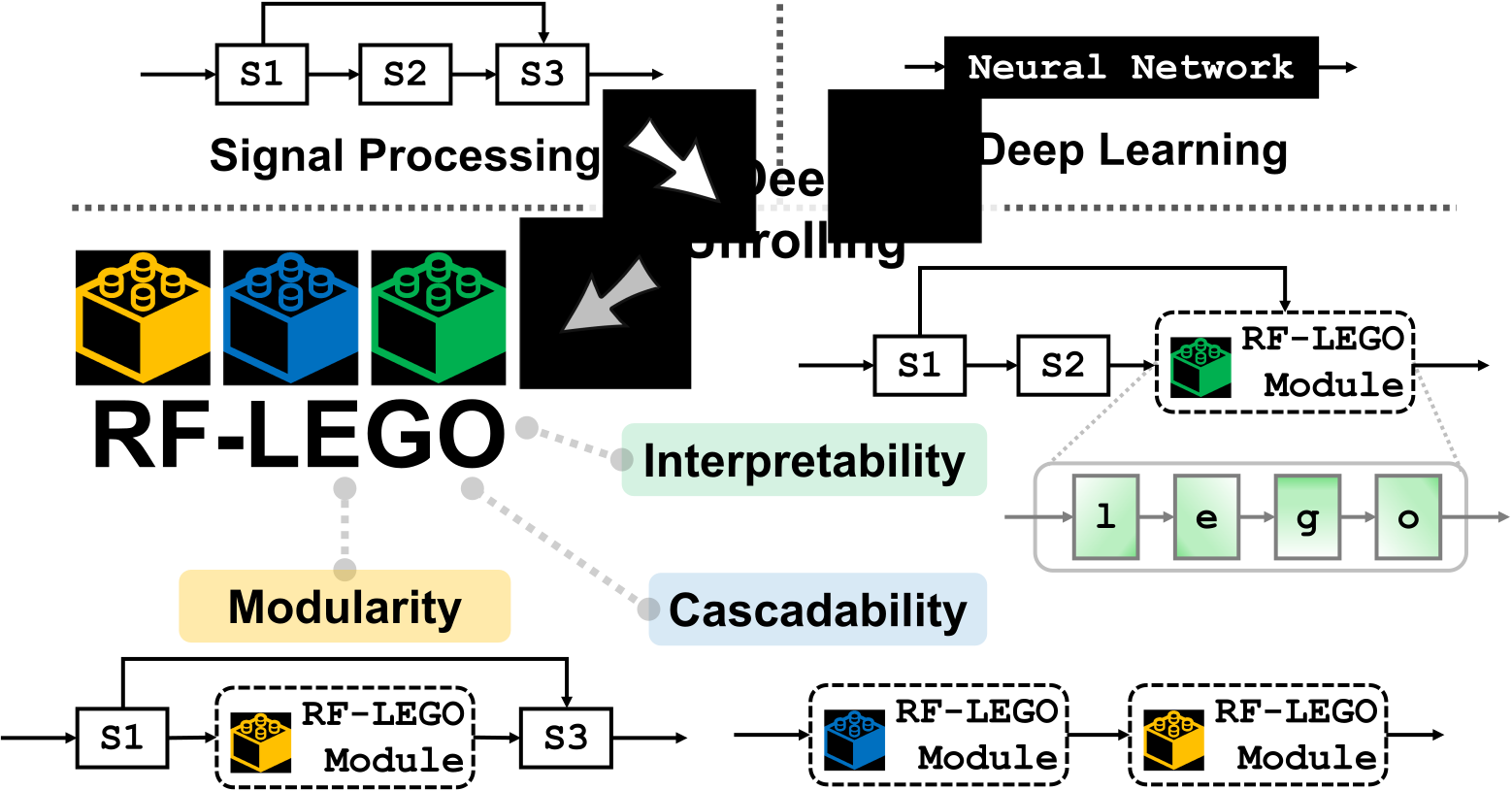
Modularity
Replace one classical operator.
Cascadability
Connect learned and classical blocks.
Interpretability
Retain meaningful operators and outputs.
Primer on Deep Unrolling
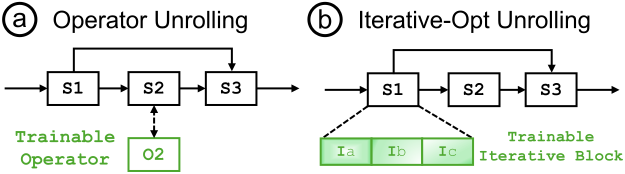
Operator unrolling learns a block’s parameters. Iterative unrolling maps solver iterations to layers with learnable update rules.
Three Trainable RF Modules
RF-LEGO Frequency Transformation
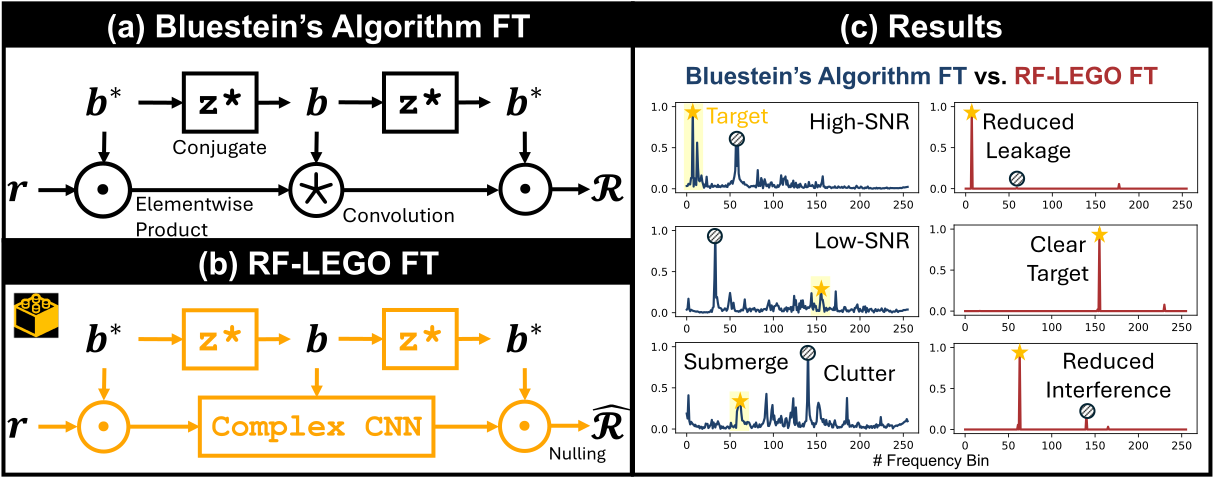
Complex samples → frequency spectrum. Preserve Bluestein’s chirp multiplications; learn the complex convolution filter.
RF-LEGO Beamformer
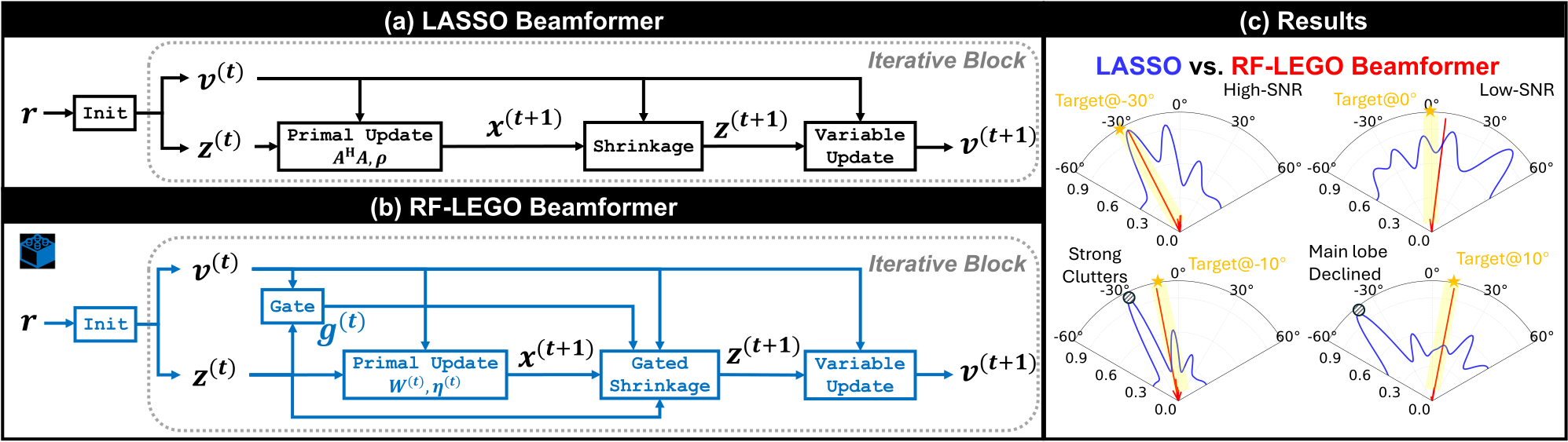
Array samples → angular spectrum. Retain the steering model; learn ADMM update coefficients, shrinkage levels and gates.
RF-LEGO Detector
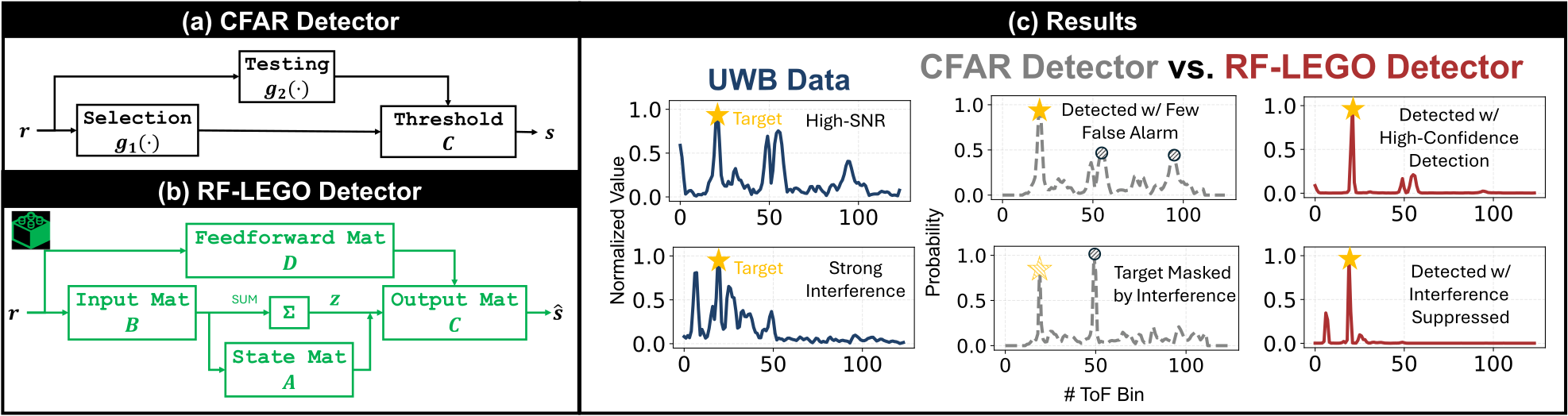
Spectrum → target detections. Preserve CFAR selection and testing; learn noise and clutter dynamics with a state-space model.
Case Study
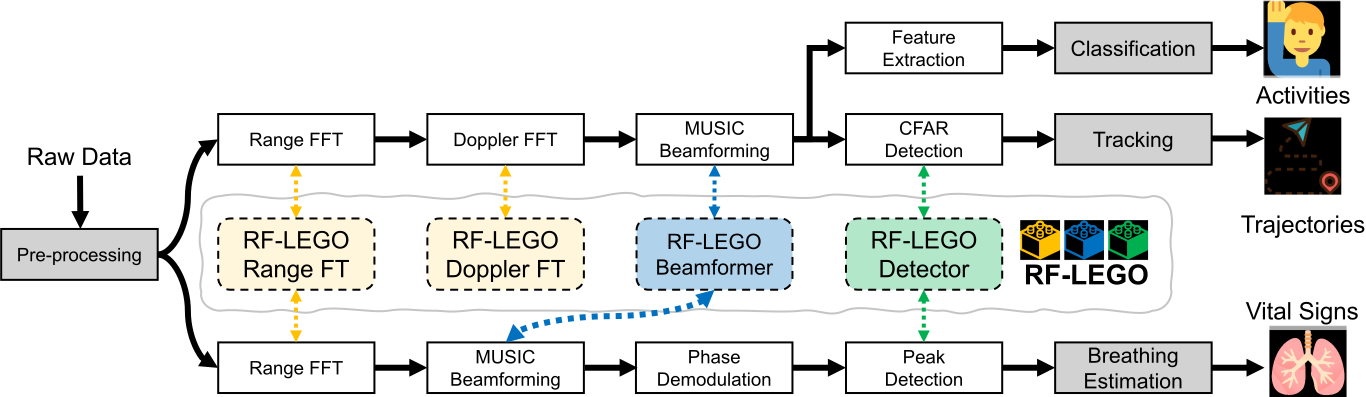
Reuse the RF modules across three sensing pipelines.
Keep downstream algorithms and classifier architecture.
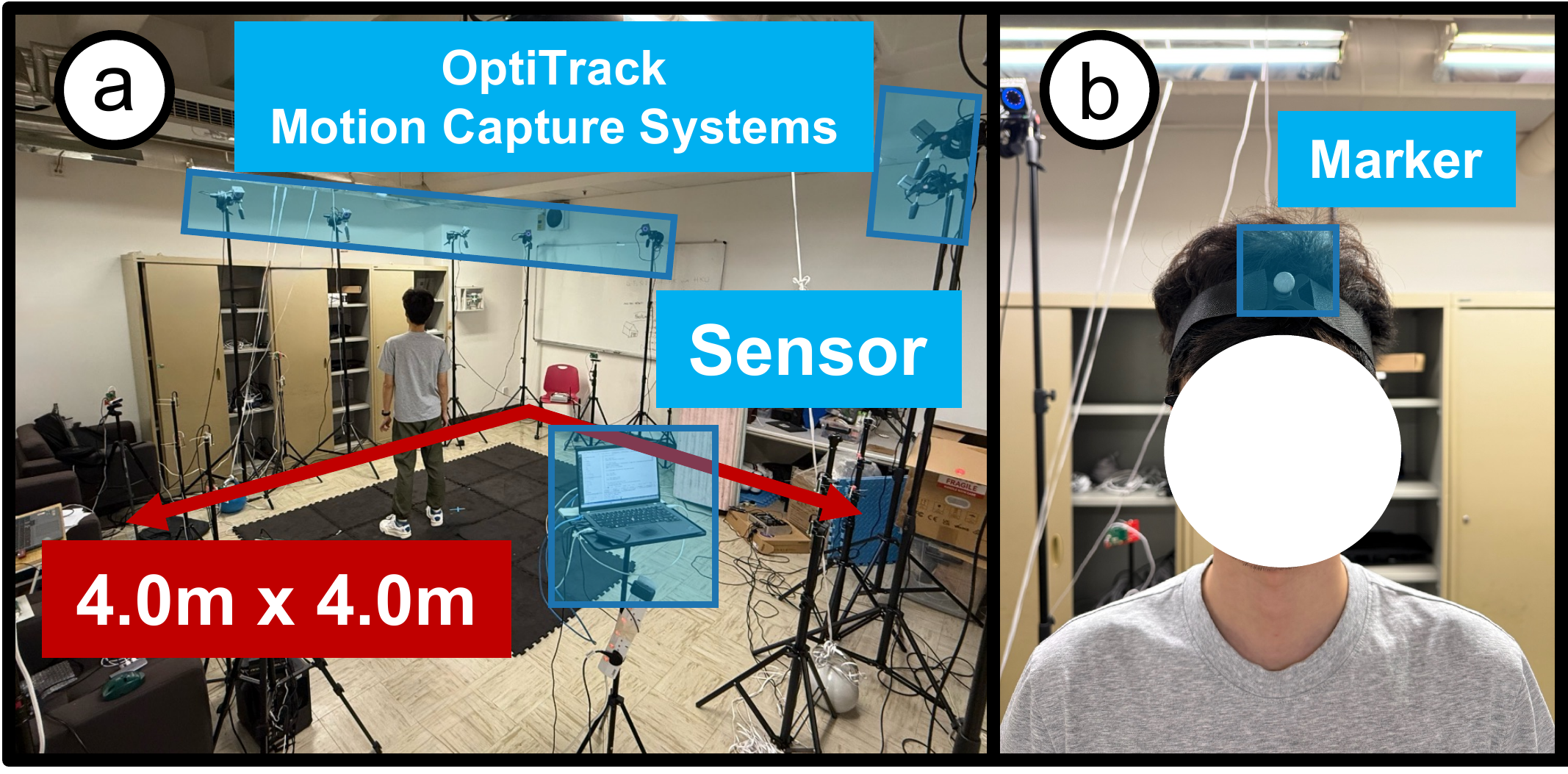
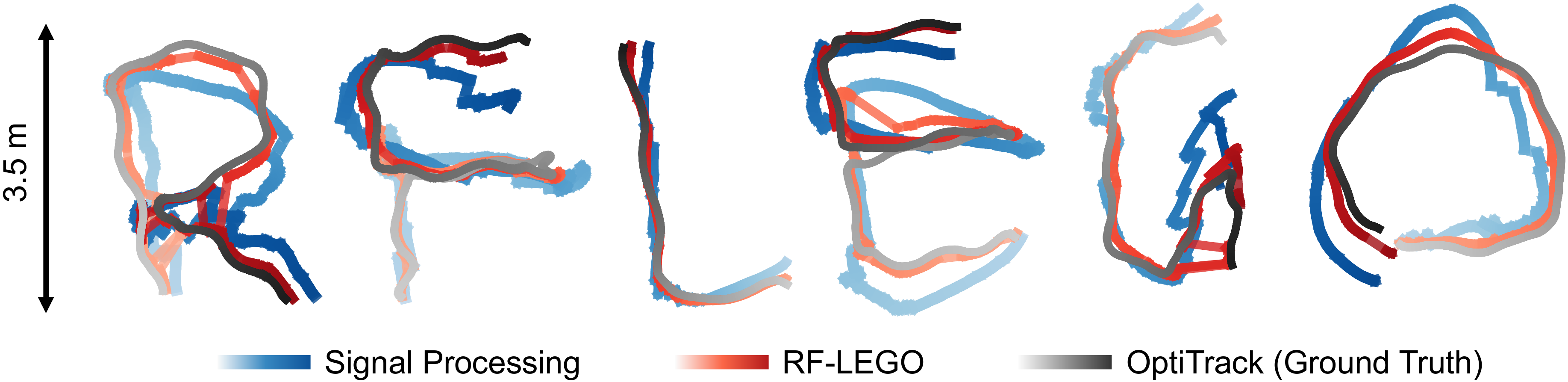
Trajectory Tracking
≈0.3 m median ATE
65 trajectories · 13 categories · 4 m × 4 m room
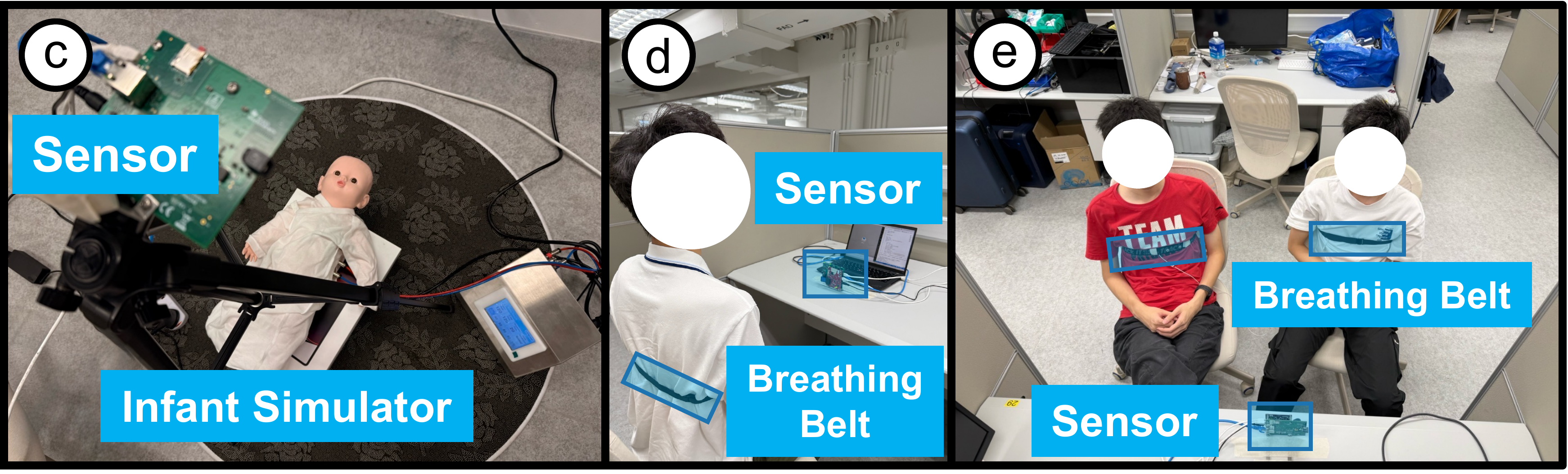
Vital Sign Monitoring
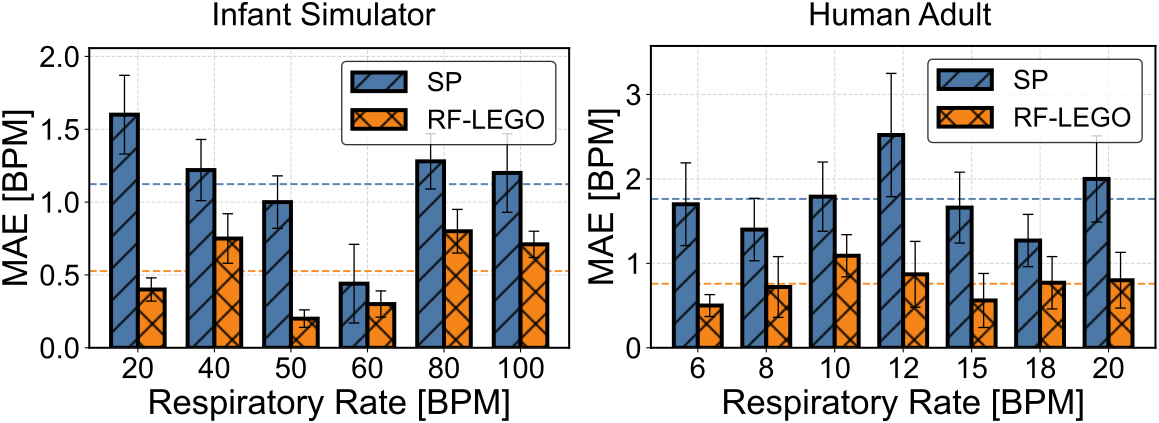
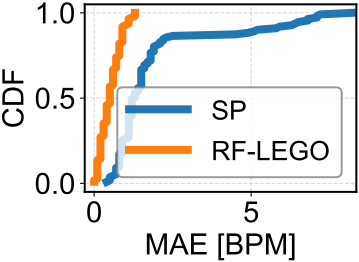
52.7% / 56.8% lower MAE
Infant simulator (20–100 BPM) and adults (6–20 BPM), versus SP
Human Activity
Recognition
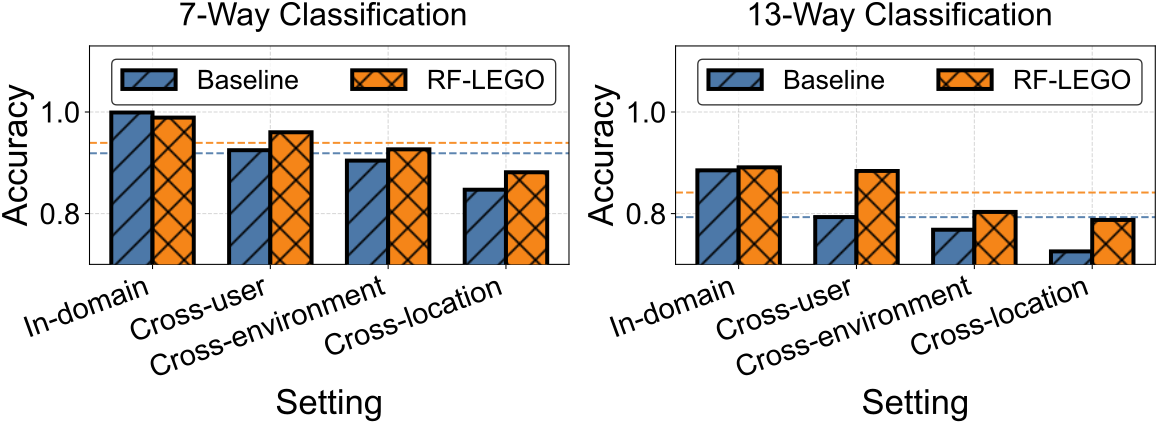
93.92% / 84.15%
Mean 7-way / 13-way
accuracy; SP:
91.88% / 79.31%
MCD-Gesture