


Modularized Signal Processing–Deep Learning Co-Design
for RF Sensing via Deep Unrolling
The University of Hong Kong


Shared signal-processing blocks across various sensing tasks.
Trajectory tracking, vital sign monitoring, and human activity recognition repeatedly ask:
At what frequency?
Range and motion
From which direction?
Spatial angle
Is a target present?
Detection
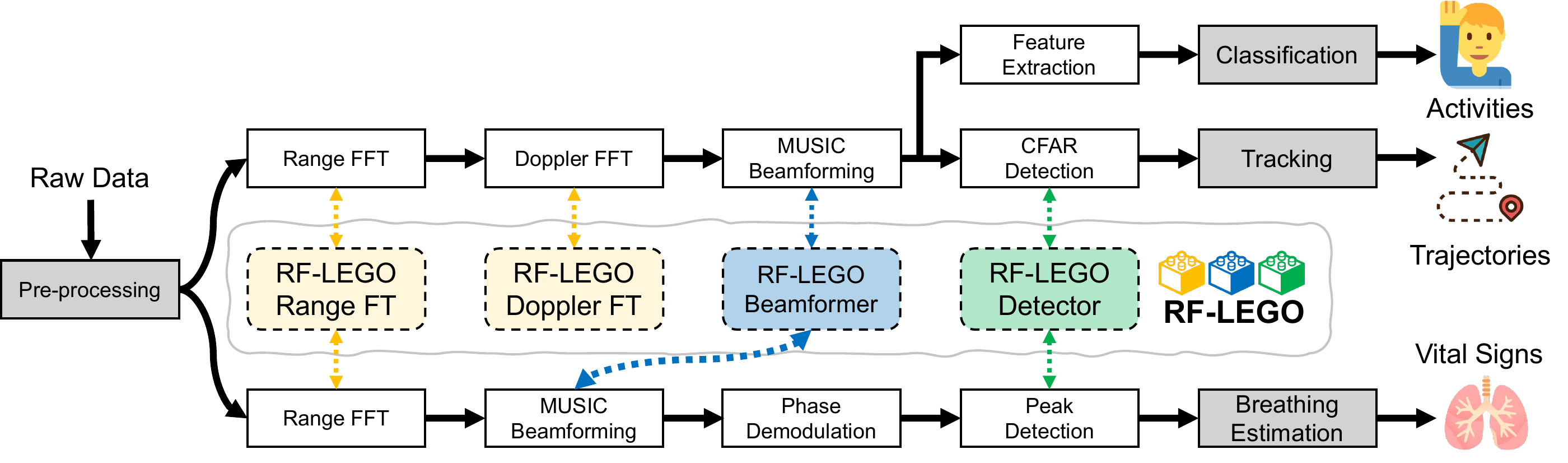
Keep the processing structure. Learn the rigid parts.
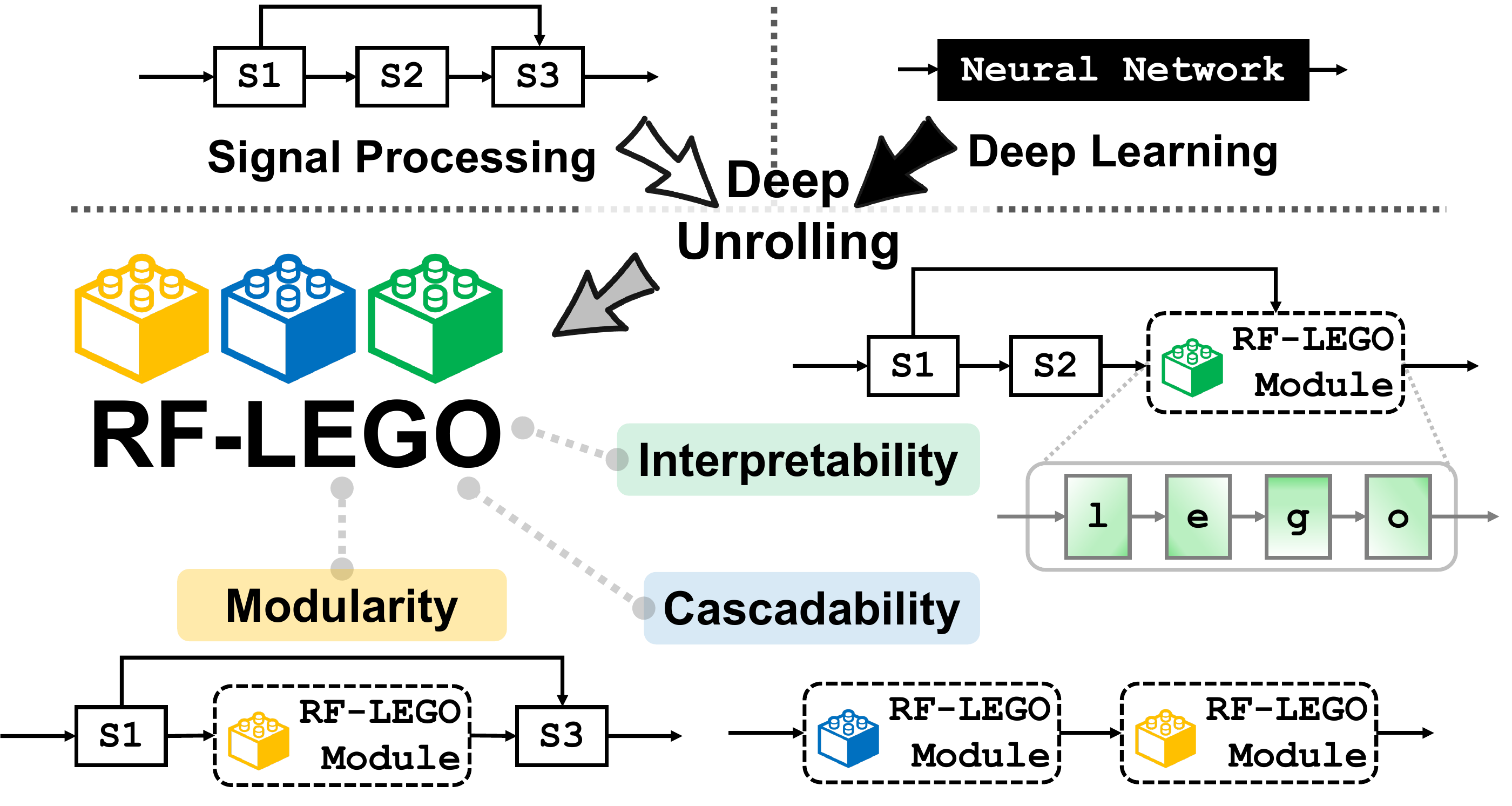
Modularity
Replace one classical operator.
Cascadability
Connect learned and classical blocks.
Interpretability
Retain meaningful operators and outputs.
Primer on Deep Unrolling
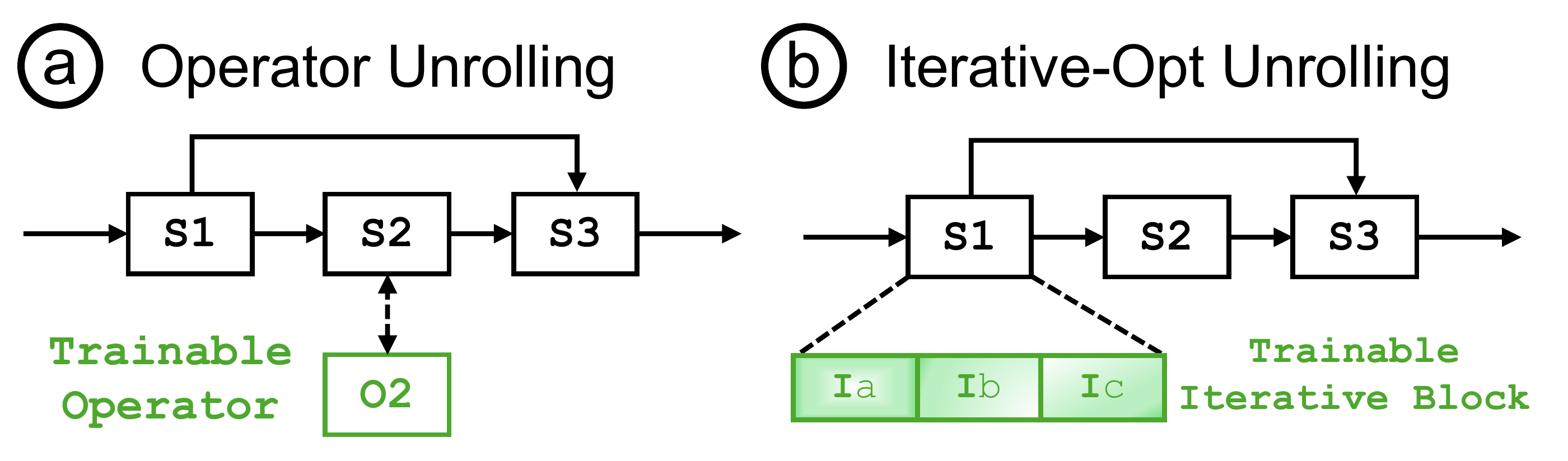
Unroll an operator
Expose a trainable component inside its mathematical structure.
Frequency transformDetectorUnroll an iterative solver
Turn solver iterations into layers with learned updates.
BeamformerFT: learn the convolution inside a Fourier transform.
Bluestein’s algorithm exposes a convolution that can adapt to signal artifacts.
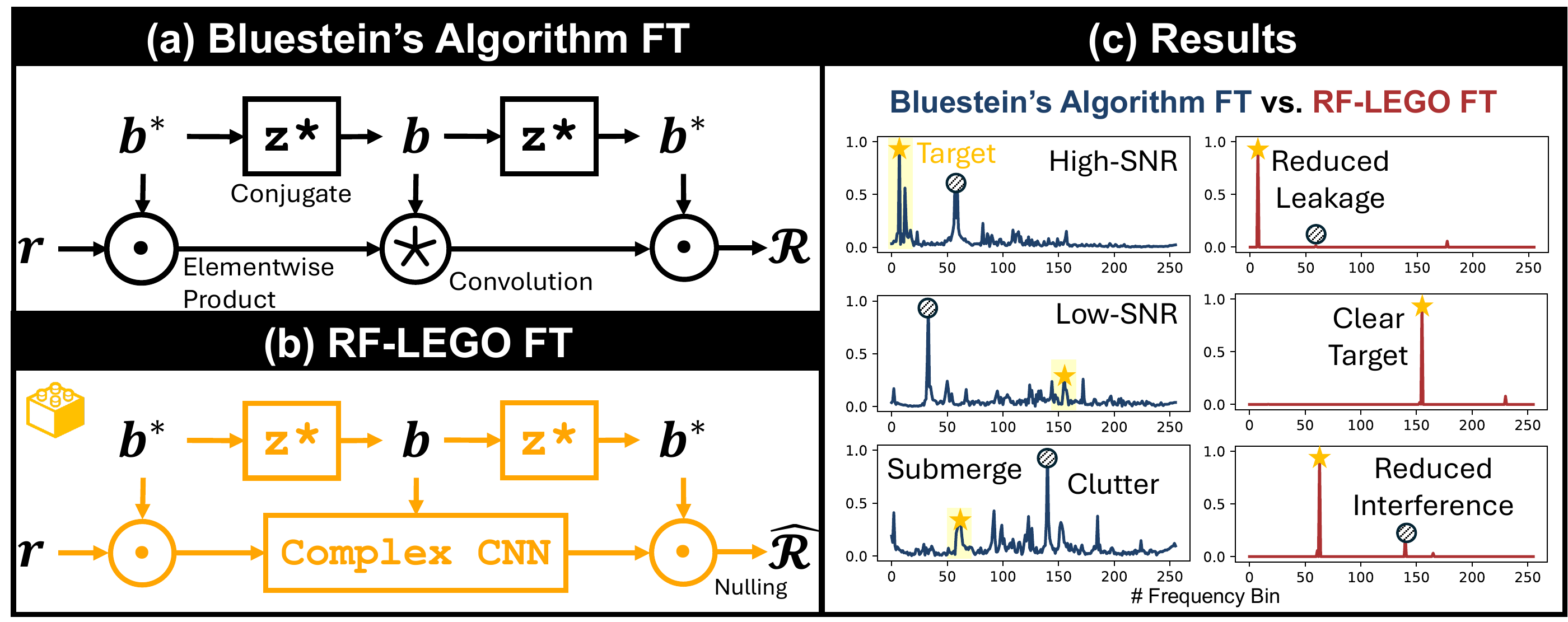
Preserve
Outer chirp multiplications and complex-valued signals.
Learn
A shallow complex convolution, initialized from the chirp.
Improve
Suppress spectral leakage and reveal weak targets.
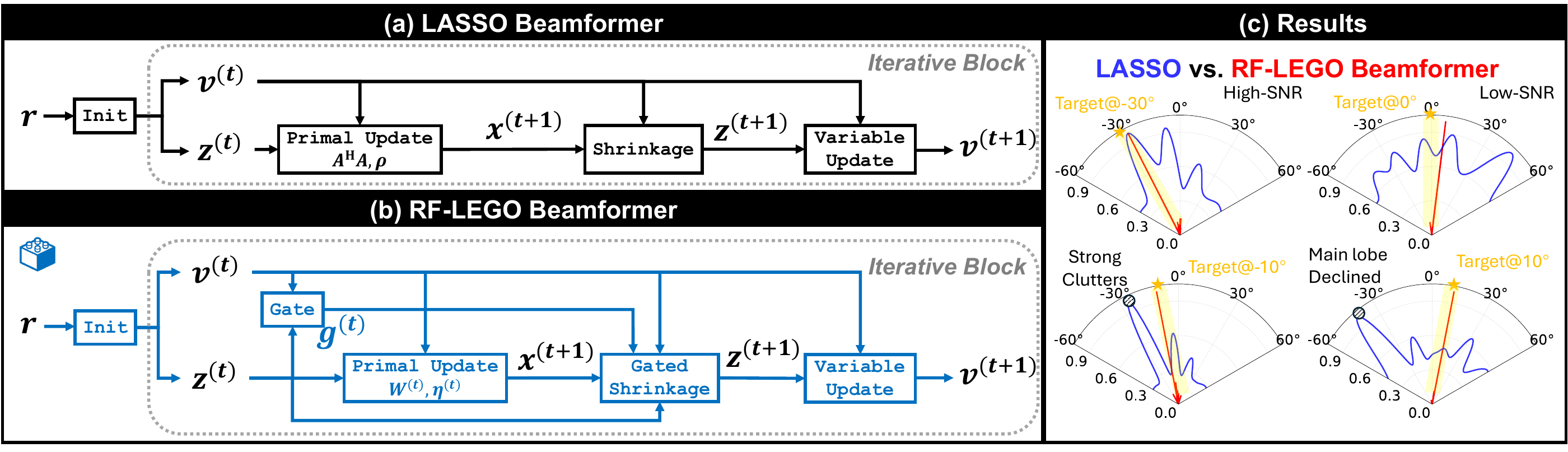
Beamformer: learn how an angular spectrum is refined.
Unroll a sparse LASSO estimator into ten trainable ADMM stages.
Preserve
Steering model and explicit angle spectrum.
Learn
Update coefficients and gates between iterations.
Avoid
Dependence on a subspace eigendecomposition.
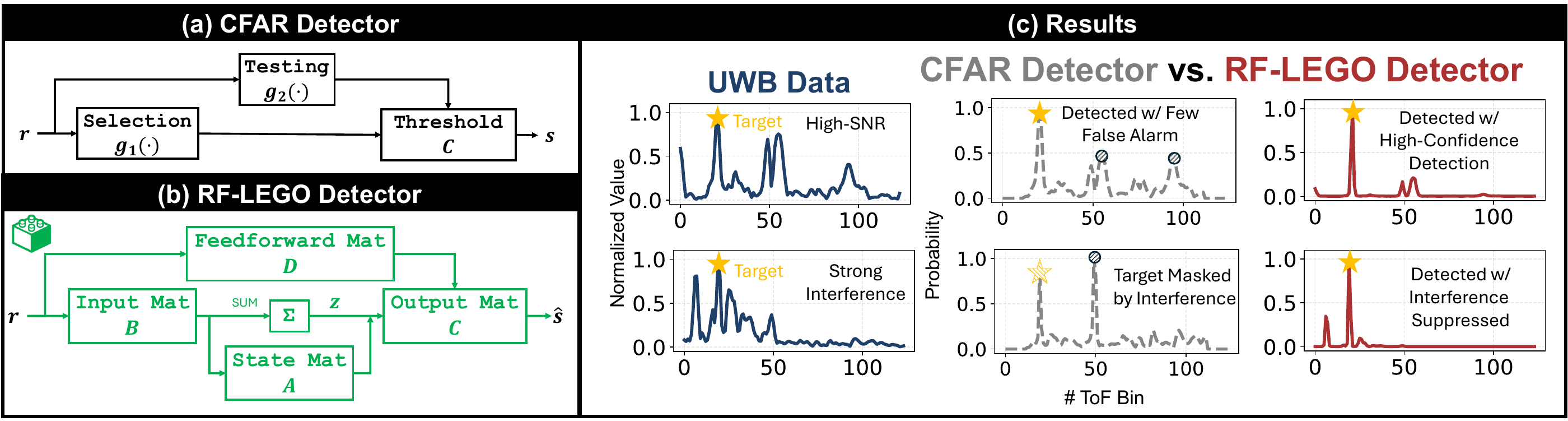
Detector: retain selection and testing, then add memory.
Replace rigid local thresholding with a trainable state-space operator.
Preserve
The selection-and-testing structure.
Learn
State evolution and input/output mappings.
Control
A detection operating point at a matched false-alarm rate.
Train on synthetic signals. Evaluate on real measurements.
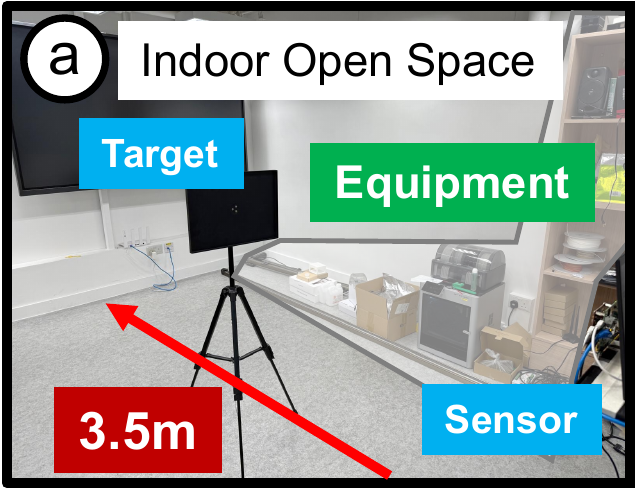
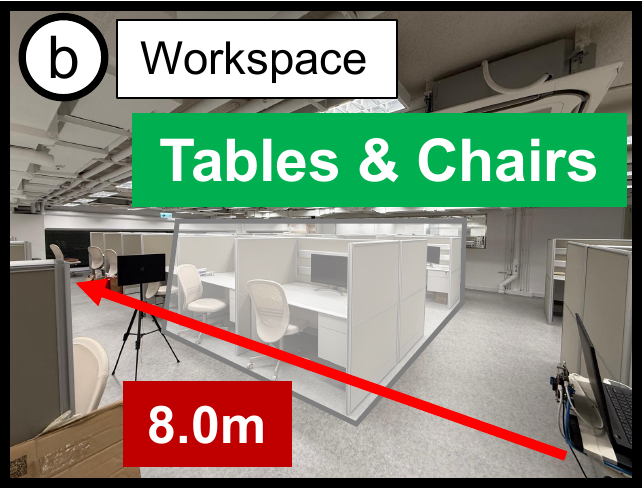
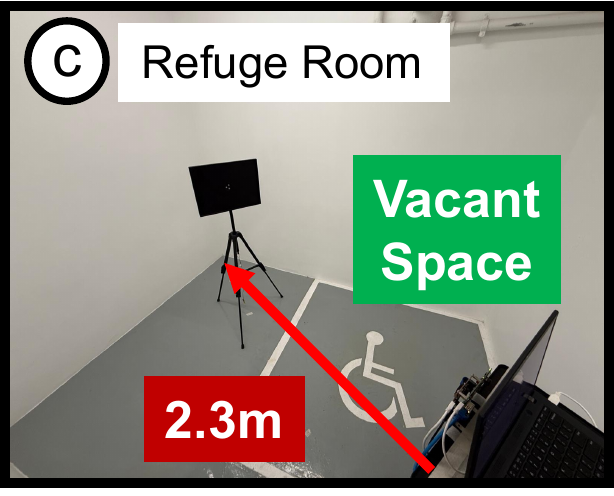
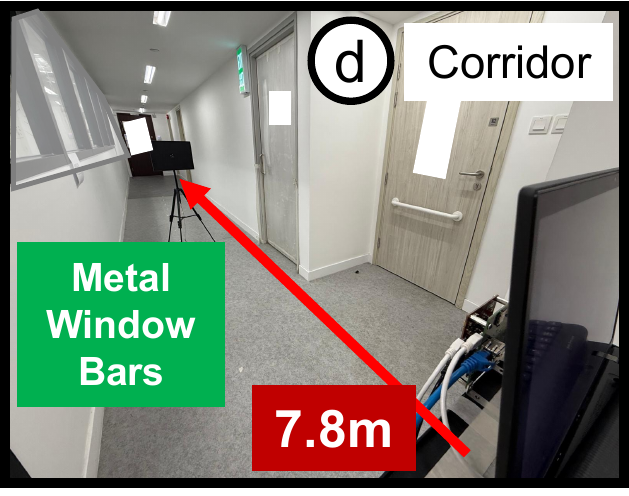
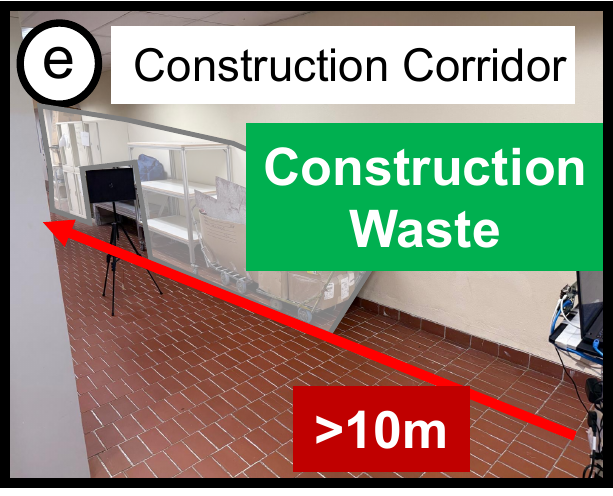
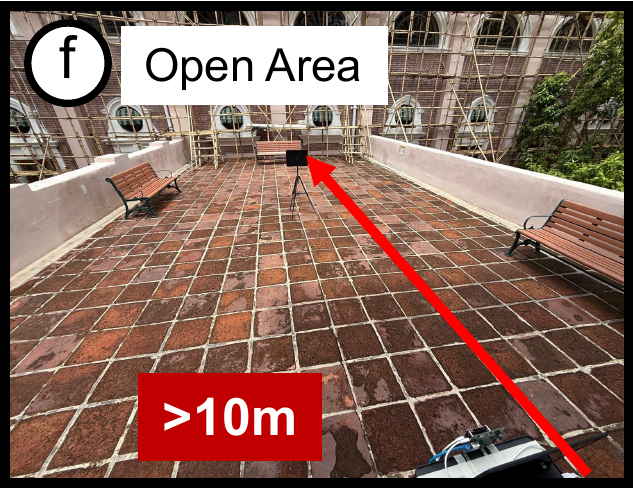
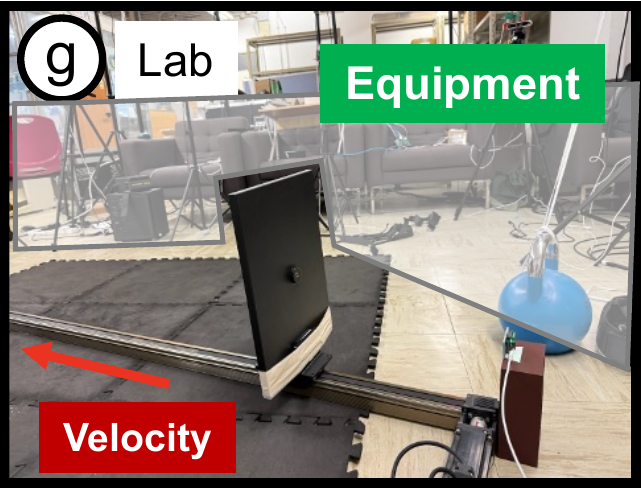
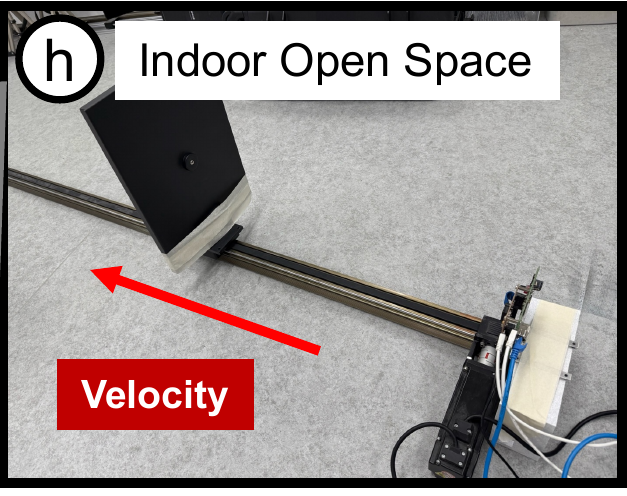
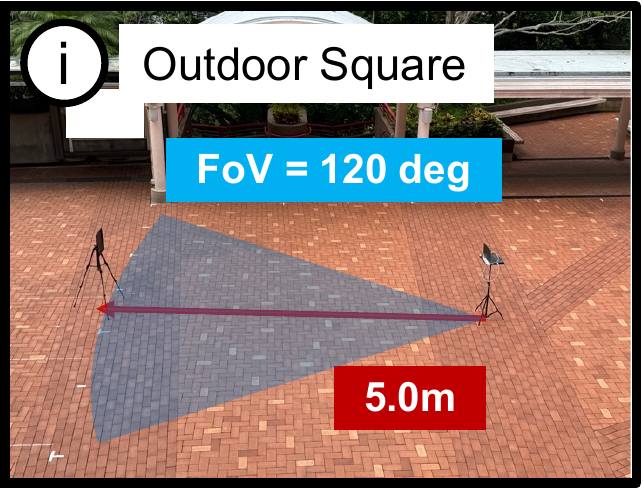
Devices & datasets
mmWave radar · UWB radar · Wi-Fi
UWCR — mmWave radar
OPERAnet — Wi-Fi CSI
UWB-Context — UWB CIR / ToF
DeepSense 6G — 60 GHz mmWave, beam selection
Baselines
- Signal Processing Baselines
- Deep Learning Baselines
- Loose Coupling Baselines
Data
30k synthetic frames per module
≈3M real-world frames
FT reduces estimation error across sensing modalities.

Signal Processing Baselines
≈10% lower range MAE
≈20% lower Doppler MAE
than FFT.
Deep Learning Baselines
Comparable accuracy to
the adapted CubeLearn front end.
Loose Coupling Baselines
Outperforms the parameter-matched LC FT.
Beamformer cuts angular error by 68%.
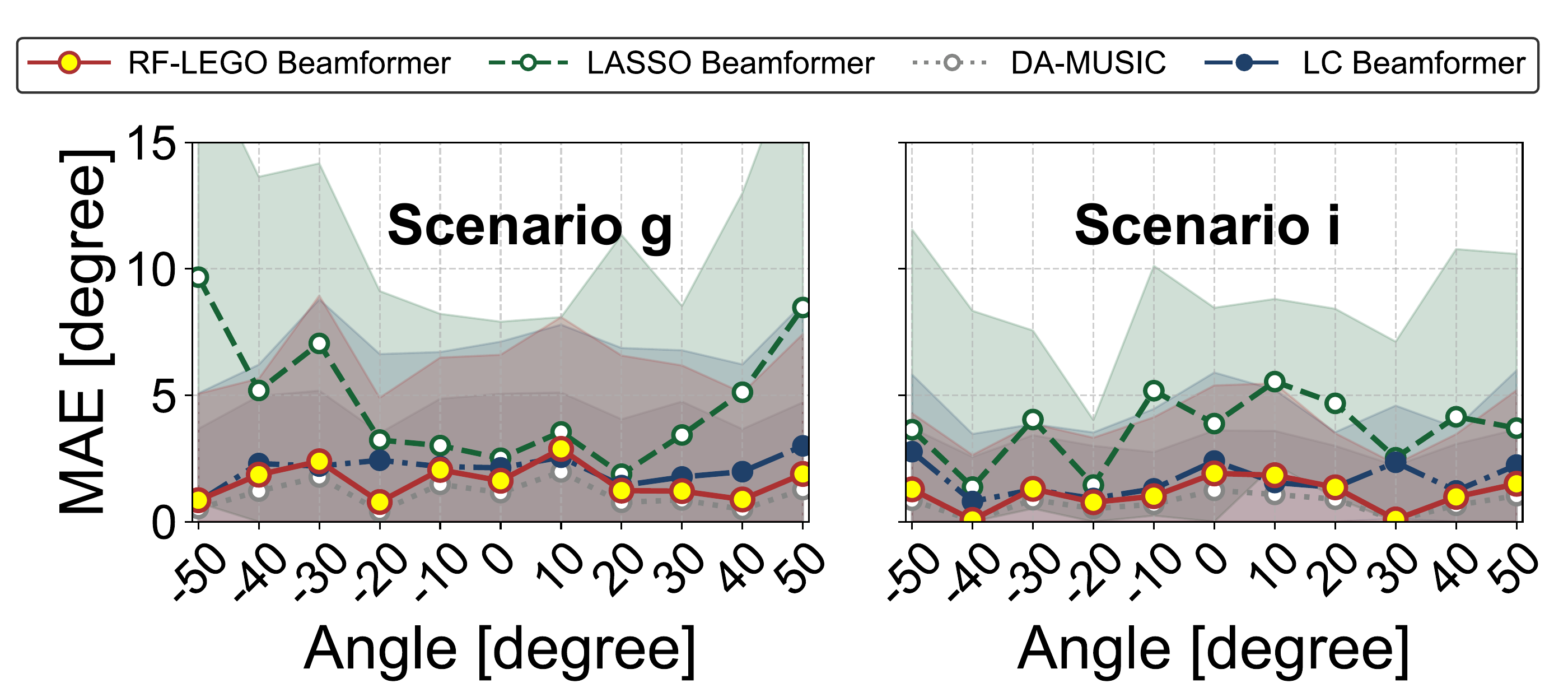
Signal Processing Baselines
4.23° → 1.35° MAE
68% lower than the LASSO beamformer.
Deep Learning Baselines
Competitive with DA-MUSIC, without a subspace eigendecomposition.
Loose Coupling Baselines
Lower angular MAE than the LC Beamformer.
Detector improves detection at a matched false-alarm rate.
False-alarm rate at 10−3 order of magnitude
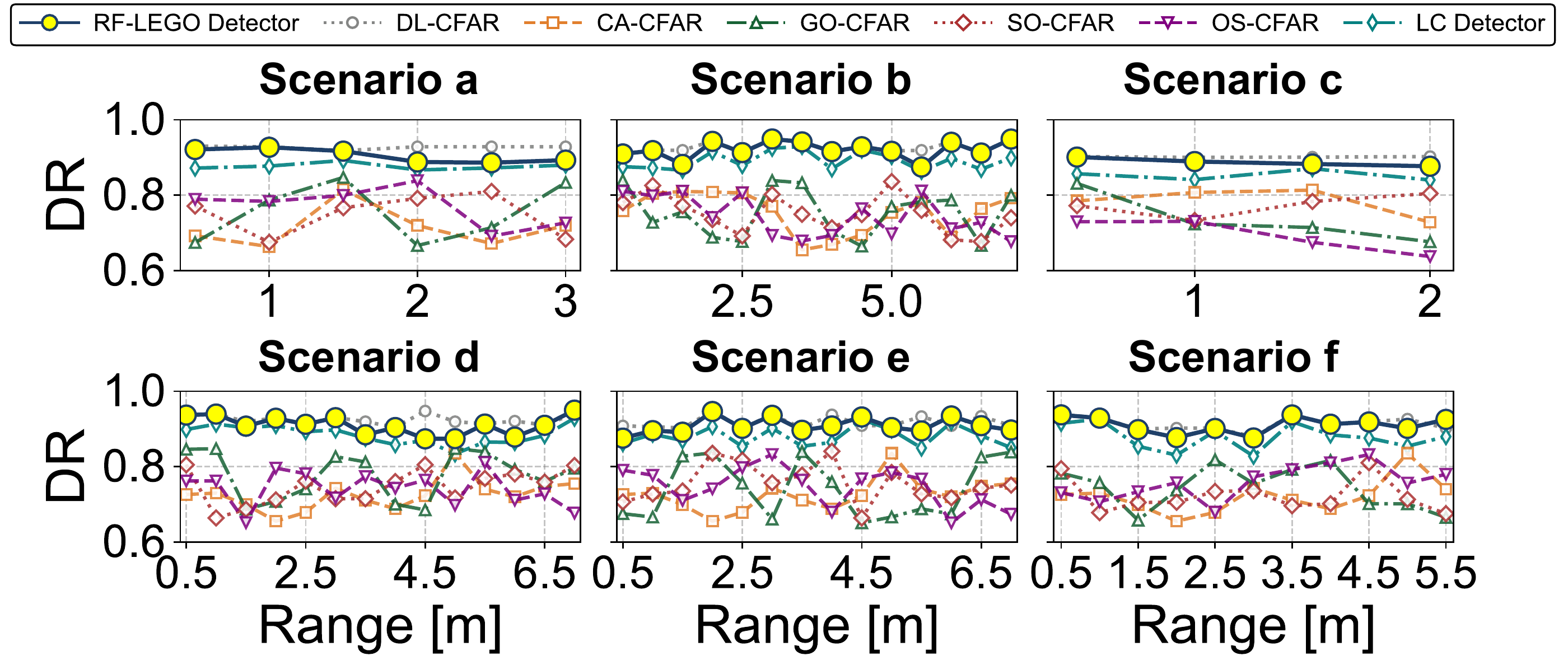
Signal Processing Baselines
Higher detection rate than CA-CFAR, GO-CFAR, SO-CFAR, and OS-CFAR.
Deep Learning Baselines
Competitive detection rate with DL-CFAR.
Loose Coupling Baselines
On par with the LC Detector across the UWB scenarios.
Cascadability across sensing modalities
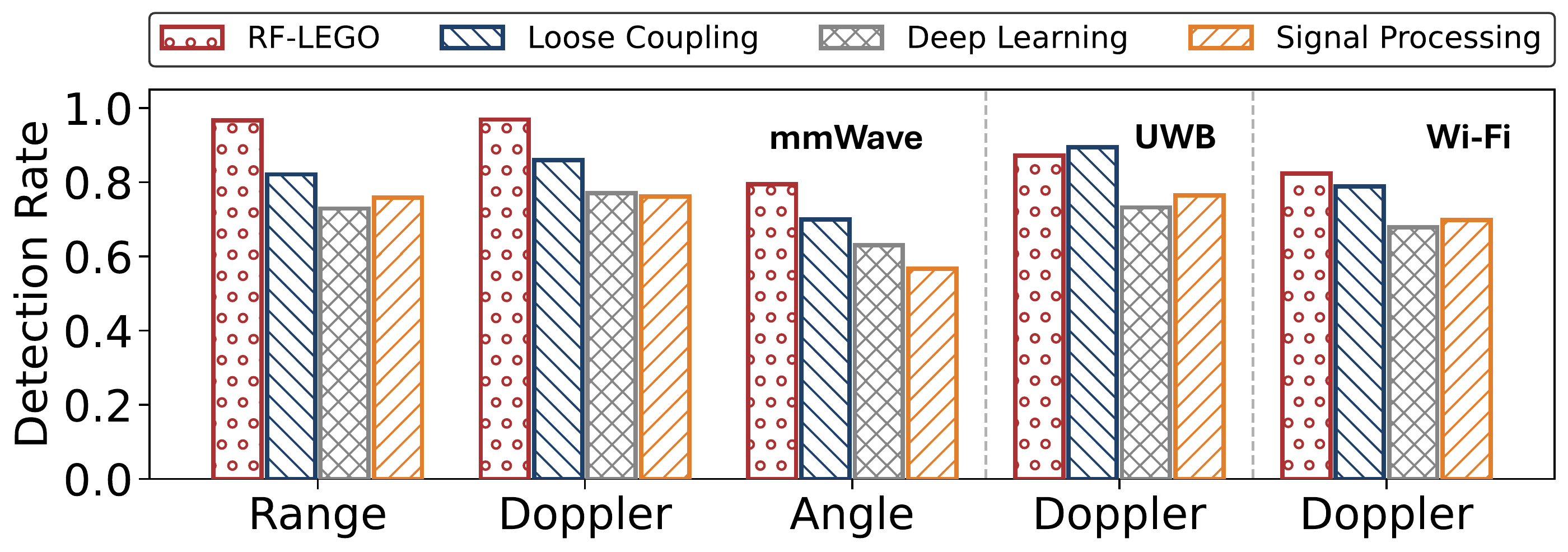
Relative DR gains over
Signal Processing Baselines
on mmWave at FAR = 10−3
Case Study Pipelines
Trajectory Tracking
Vital Sign Monitoring
Human Activity Recognition
Trajectory Tracking
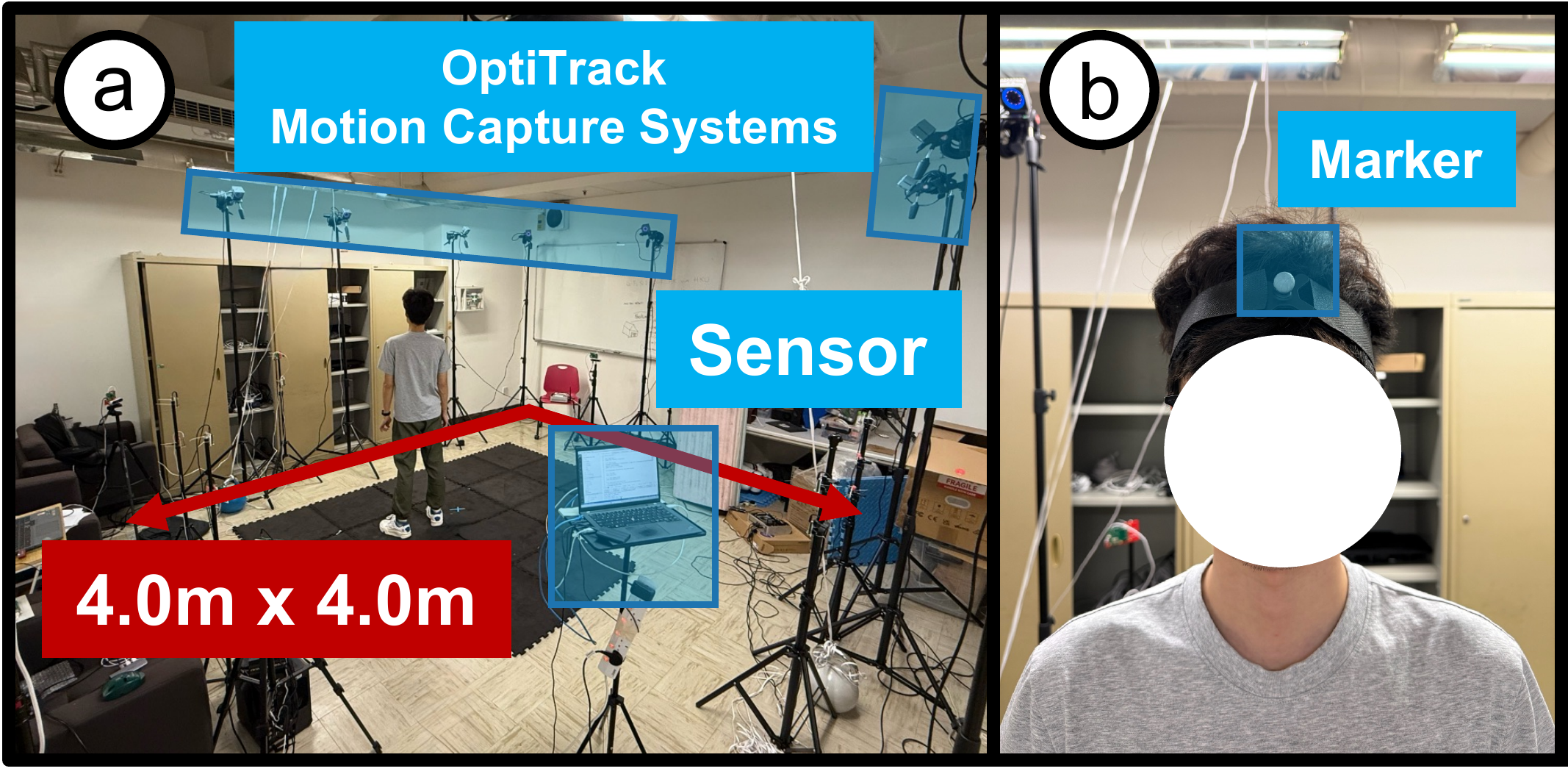
4 m × 4 m room · OptiTrack
65 trajectories across 13 categories
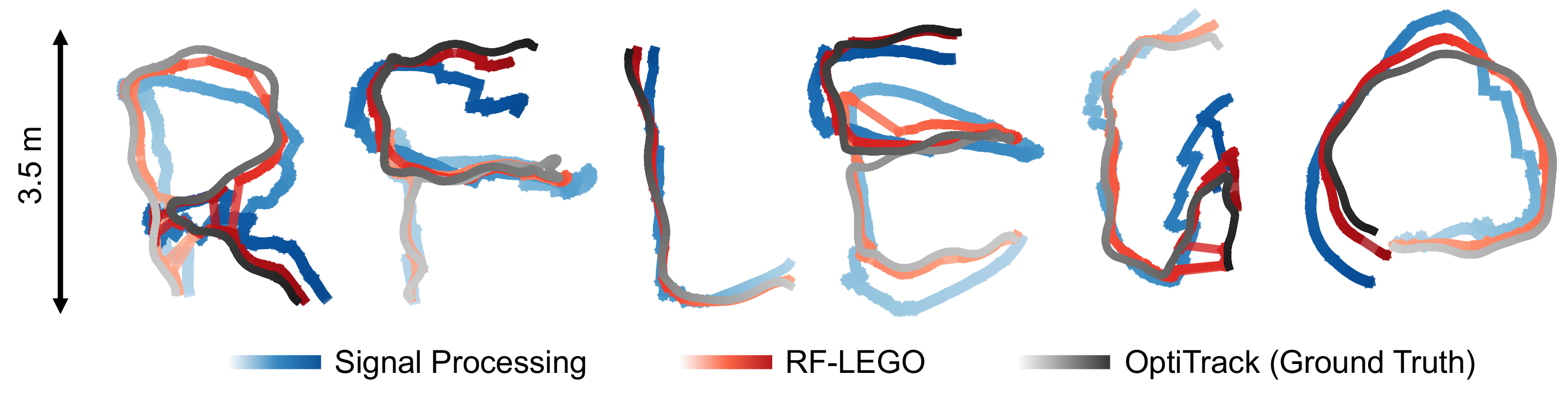
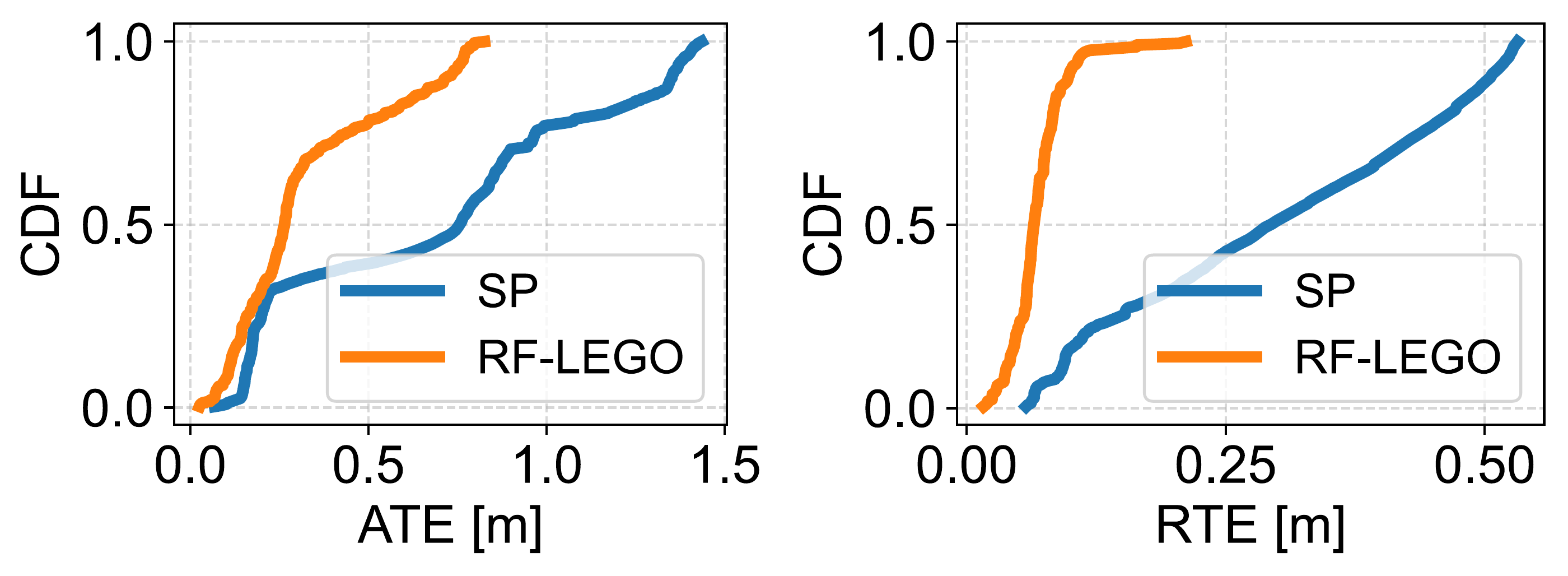
Median trajectory error
≈0.3 m
Absolute trajectory error (ATE)
Improvement over SP
≈40% lower
Median absolute trajectory error
Downstream tracker
Same EKF
Replace FFT / MUSIC / CFAR
Vital Sign Monitoring
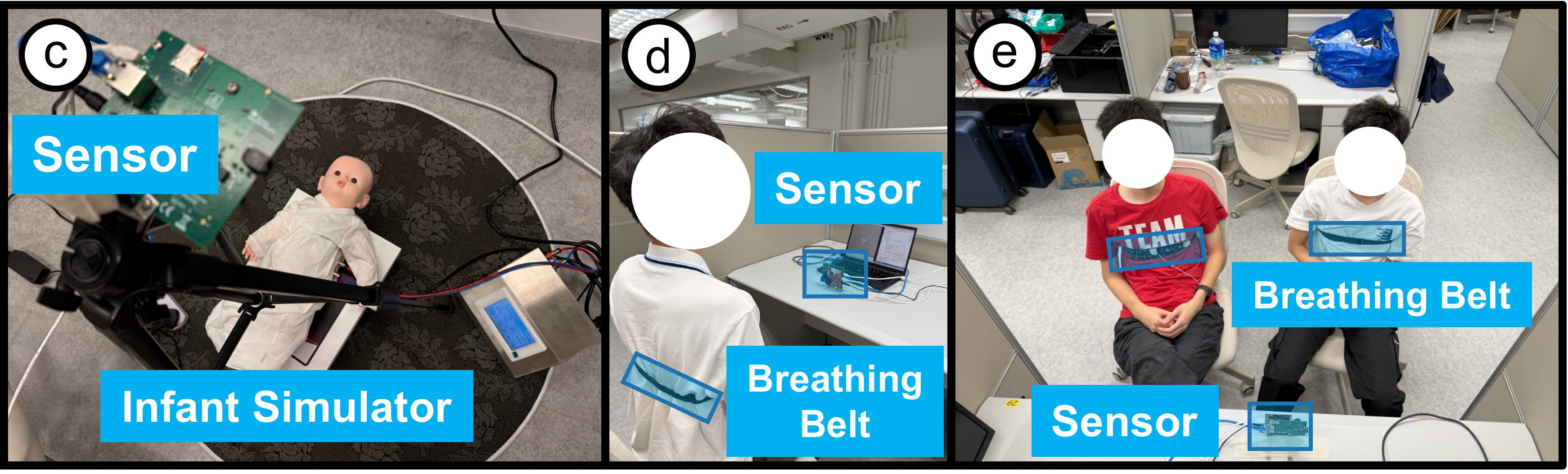
Infant simulator · Human adults
Single-person and multi-person settings
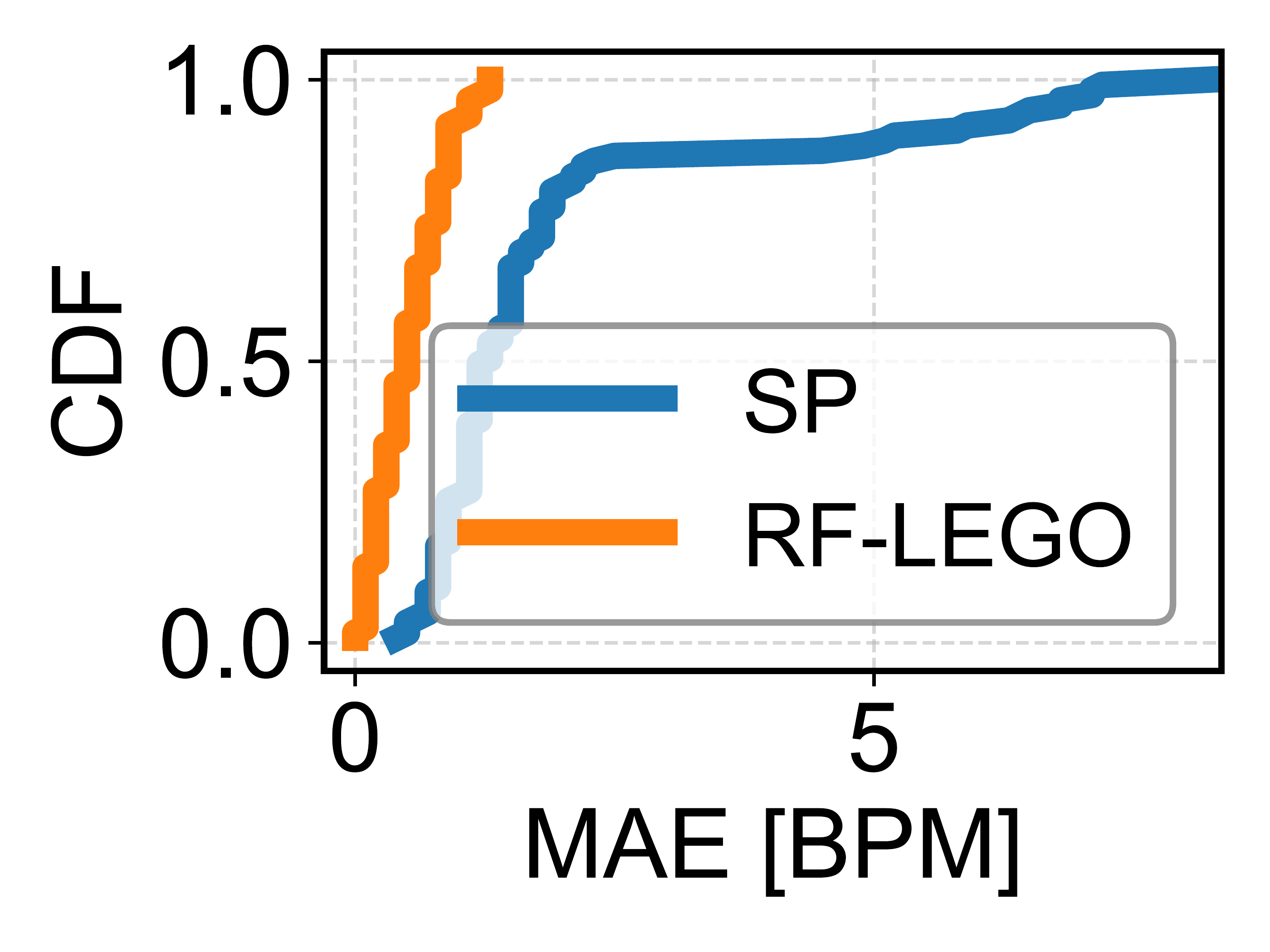
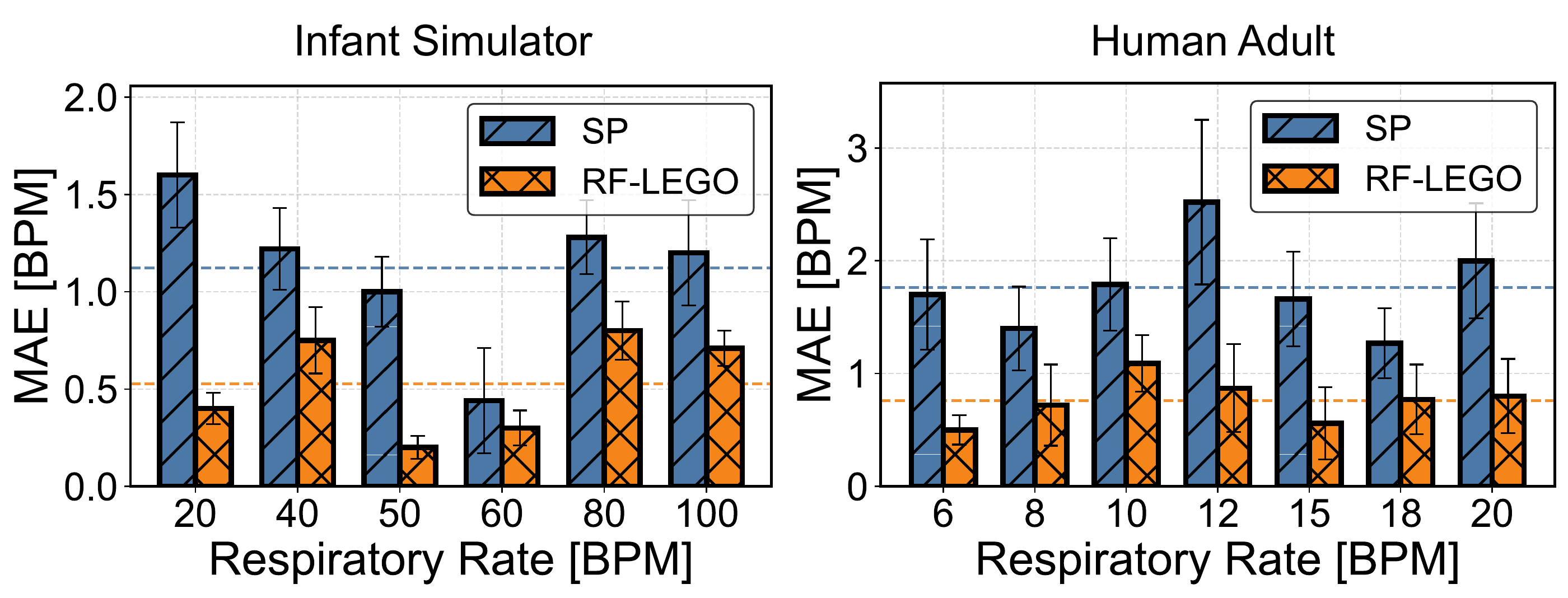
Infant simulator
52.7% lower
Breathing-rate MAE vs. SP
Human adults
56.8% lower
Breathing-rate MAE vs. SP
Downstream processing
Same estimator
Retain phase analysis and rate estimation
Human Activity Recognition
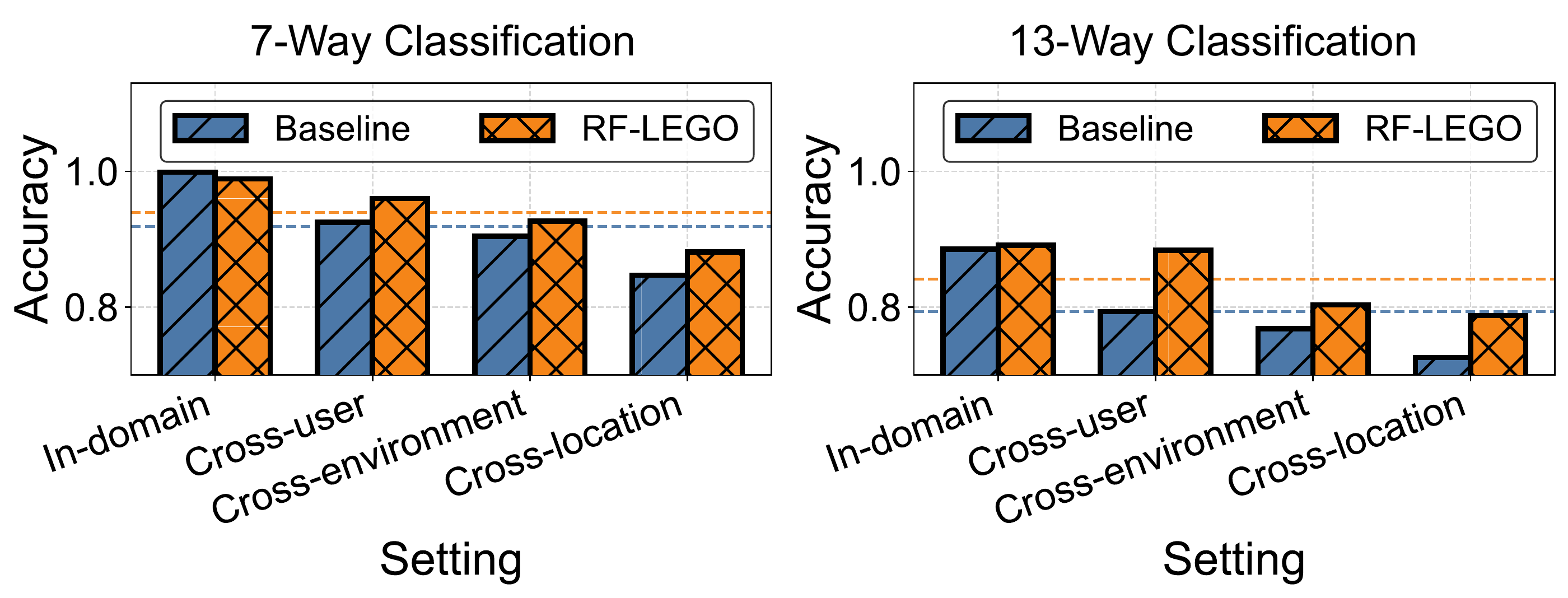
MCD-Gesture · mmWave radar · 6 environments · 25 users · 5 locations
7-way recognition
91.88% → 93.92%
Mean accuracy across four splits
13-way recognition
79.31% → 84.15%
Mean accuracy across four splits
Neural back end
Same backbone
Only the RF front end changes
Takeaways of RF-LEGO
Learn the operator.Keep the interface.Cascade the modules.
Three reusable RF blocks
Frequency transform · Beamformer · Detector
Verified in complete sensing pipelines
Trajectory Tracking
Vital Sign Monitoring
Human Activity Recognition
MobiCom 2026 Artifact Evaluation
 Artifacts Available
 Artifacts Evaluated
Functional
 Artifacts Evaluated
Reusable
 Results Reproduced
Thank you!
Project
 aiot-lab.github.io/RF-LEGO
Code
 github.com/aiot-lab/RF-LEGO
Homepage
 1ucayu.github.io
Slides
 Scan to open these slides
I am actively looking for internship opportunities.